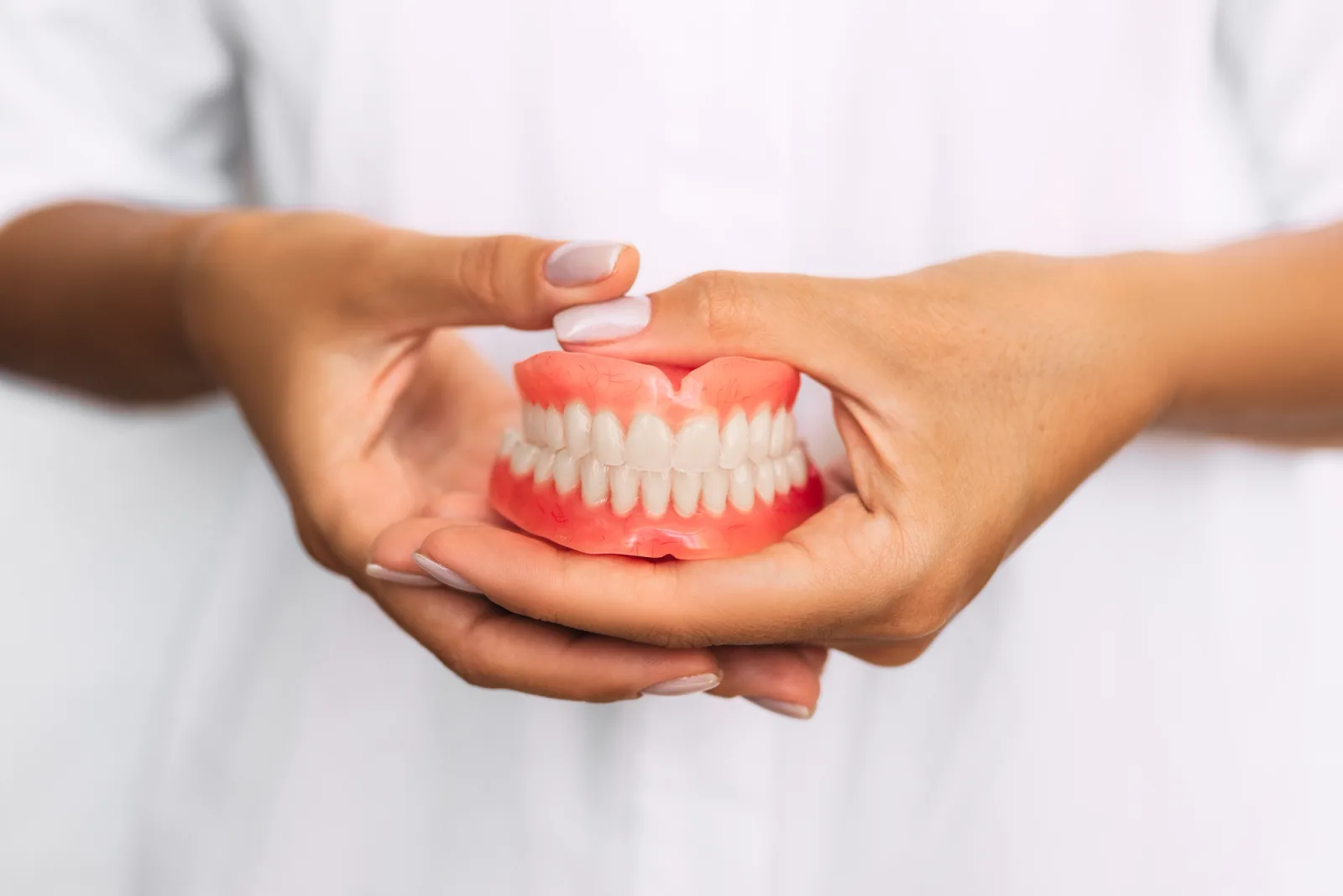
Chipped edges, worn enamel, discoloration, or a cracked tooth can make you wonder: Do I need a crown, or will bonding do the trick? Both ceramic crowns and tooth-colored bonding deliver beautiful results; they simply solve different problems. If you want an outcome that’s attractive and durable, knowing where each shines will help you choose confidently.
What Is Dental Bonding?
Bonding uses a moldable composite resin —the same material used for tooth-colored fillings—to repair small chips, fill gaps, reshape edges, or conceal isolated discoloration. Your dentist selects custom shades, sculpts the resin directly on the tooth, cures it with a special light, and polishes it to a natural luster.
When Bonding Works Best
Small to moderate chips or edge wear
Minor reshaping for symmetry or closing tiny gaps
Single-tooth stains that whitening can’t address
Quick smile refresh before a big event
Advantages Of Bonding
One-visit convenience for most cases
Conservative : minimal enamel removal
Budget-friendly compared with ceramic restorations
Easily re-polished or repaired
Considerations
May stain over time, especially for coffee, tea, or red wine lovers
Less resistant to heavy bite forces and grinding
Typically lasts years , not decades, before needing maintenance
What Is A Ceramic Crown?
A ceramic crown (often porcelain or zirconia-based) is a custom cap that covers the entire visible portion of the tooth. It’s engineered for strength, longevity, and lifelike translucency , making it ideal when both function and aesthetics matter.
When Crowns Are The Better Choice
Large fractures or extensive decay
Root canal treated teeth at risk of cracking
Significant wear or weakened enamel
Bite changes where durability is key
Cosmetic makeovers when multiple factors need correction
Advantages Of Crowns
Excellent strength and bite resistance
Color-stable and highly natural in appearance
Protects compromised teeth from future fractures
Often lasts 10–15 years (or longer) with good care
Considerations
Requires more tooth preparation
Typically two visits (though some offices offer same-day crowns)
Higher initial investment than bonding
Real-World Scenarios
Tiny corner chip on a front tooth: Bonding preserves enamel and looks great.
Big cracked molar that hurts when chewing: A ceramic crown restores strength and seals the tooth.
Edge wear across several front teeth: Bonding can refresh the look; a crown (or minimal-prep veneer) could be considered if bite forces are high or wear is severe.
Post–root canal premolar: Crowning protects against fracture in the long run.
Long-Term Care Tips (For Both)
Brush and floss daily with a fluoride toothpaste.
Wear a nightguard if you clench or grind.
Keep 6-month checkups ; timely polishing and adjustments extend longevity.
Limit frequent snacking on sticky or hard foods, especially for bonding.
Choosing With Confidence
Think about your goals:
Is this mainly cosmetic , or is the tooth structurally compromised ?
Are you okay with periodic touch-ups (bonding), or do you want a longer-term solution (crown)?
How strong are your bite forces or parafunctional habits?
Benefits At A Glance
Bonding: Quick, conservative, affordable, and beautiful for small fixes
Crowns: Durable, protective, and natural-looking for bigger problems
Ready To Find Your Best Fit?
Let’s match your goals with the right solution. Contact Panhandle Dental in Amarillo at 806-581-1919 to Book an Appointment and get a personalized recommendation.
Start Your Smile Journey Today
Are you ready to brighten your smile? Schedule your visit at Panhandle Dental today! Experience a comprehensive exam, get your personalized treatment consultation, and explore various payment options.