
Published on Jun 12, 2026 | 6 minute read
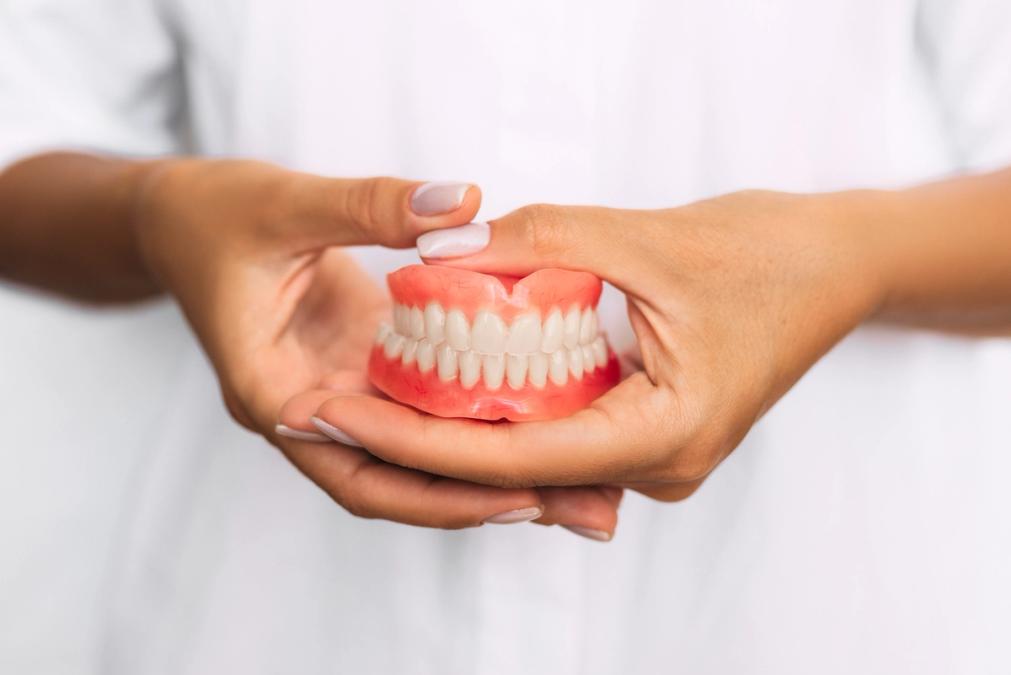
Losing all upper or lower teeth can affect much more than your smile. It can change how you eat, how you speak, and how comfortable you feel in everyday conversations. At Panhandle Dental, we create complete dentures designed to restore your full smile with a natural look, comfortable fit, and practical function.
If you are exploring complete dentures, we want you to feel informed and supported. The process is not just about replacing teeth. It is about helping you return to daily life with more confidence and less worry.
Complete dentures are removable prosthetics that replace all teeth in an upper arch, lower arch, or both. They are custom-made to fit your mouth and support your facial shape. A well-made complete denture should look natural, feel stable, and help you chew and speak more comfortably.
Every smile is different, so we customize tooth shape, tooth shade, gum appearance, and bite position. Our goal is to create dentures that look like they belong to you—not like a generic set of teeth.
Complete dentures may be recommended if you are missing all teeth in one arch or if remaining teeth cannot be restored predictably. Some patients come to us after years of dental problems, while others are transitioning from failing teeth to a more stable solution.
We understand that this decision can feel emotional. Our team will walk you through the process carefully, answer your questions, and help you understand what to expect at each stage.
Complete dentures involve several thoughtful steps. We take time with each one because fit and appearance matter.
We begin with an exam, conversation, and any necessary imaging. We evaluate your gums, bone shape, jaw relationship, and facial support. We also talk about your goals, including how you want your smile to look and what concerns you most.
Next, we capture detailed records of your mouth. These records help us design dentures that fit your anatomy as closely as possible. Accuracy here is essential because small details affect comfort and stability.
We determine how your upper and lower jaws come together. We also select tooth size, shape, and shade. This is where artistry and function meet, because dentures should support your face while still allowing comfortable chewing.
When possible, we use a try-in step so you can preview the look and bite before the final denture is completed. This allows us to make refinements and ensure the denture feels aligned with your expectations.
At delivery, we check fit, bite, speech, and comfort. We also explain how to insert, remove, clean, and store your dentures properly.
Dentures require an adjustment period. Even a well-fitting denture is still new to your mouth, lips, cheeks, and tongue. During the first few weeks, you may notice extra saliva, changes in speech, or sore spots that need adjustment.
This is normal. Follow-up visits are part of the process, not a sign that something went wrong. As your tissues adapt, small refinements can make your dentures feel much more natural.
Start with soft foods and small bites. Chew slowly and try to use both sides at the same time to keep the denture balanced. Good first foods include eggs, pasta, soft fish, oatmeal, mashed vegetables, and tender cooked foods.
As you gain confidence, you can gradually add more textures. Very sticky or hard foods may still require caution, especially early on. We’ll guide you based on your fit and comfort.
Speech may feel different at first, especially with sounds like “s,” “f,” and “th.” Reading aloud for a few minutes each day can help your tongue adapt. Most patients improve quickly with practice and patience.
If clicking occurs while speaking, it may mean you are using extra muscle effort to stabilize the denture. We can evaluate fit and bite if that continues.
Dentures need daily care to stay fresh and comfortable. We recommend:
Even if you no longer have natural teeth in an arch, regular exams are still important. We check tissue health, fit, bite, and oral cancer screening areas.
Your gums and bone naturally change over the years. As the ridge changes, dentures may feel looser or develop sore spots. This does not mean you did anything wrong; it is part of normal oral changes.
If your denture starts shifting, rubbing, or affecting your speech, call us. Adjustments, relines, or updated dentures may help restore comfort and function.
If you are ready to restore your full smile, we’ll guide you with patience and clear steps. Call Panhandle Dental in Amarillo at (806) 541-4152 to Schedule a Consultation for complete dentures.
