
panhandle dental logo on a black background

Restorative Dentistry: Crowns and Bridges Explained

Published on Aug 29, 2025 | 4 minute read
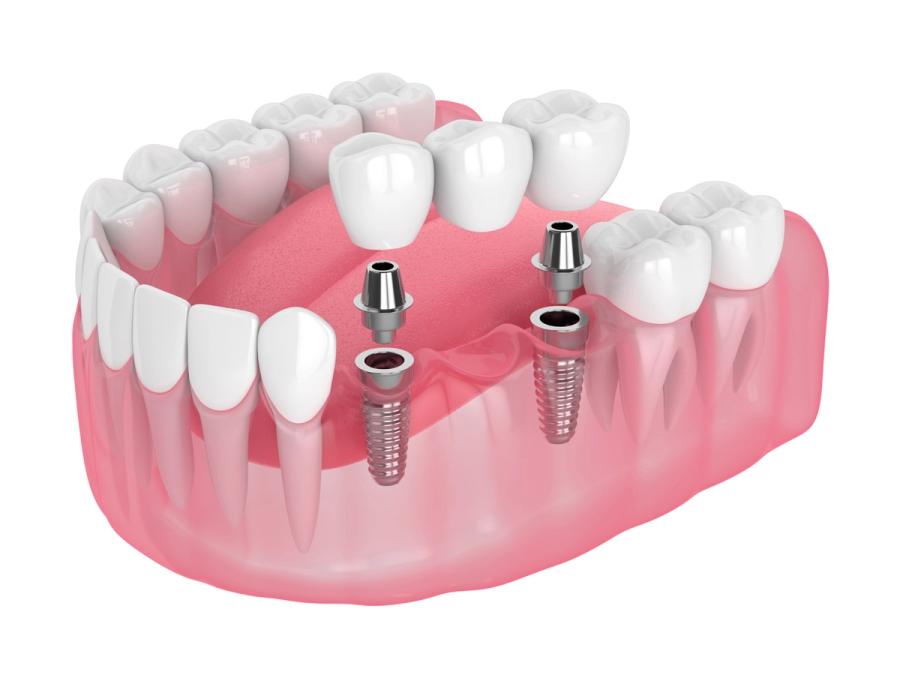
a 3d rendering of a dental bridge with dental implants .

Restoring Function, Protecting Smiles

When teeth are damaged, weakened, or missing, it affects more than just appearance — it impacts your ability to chew, speak, and maintain overall oral health. Restorative dentistry offers solutions like crowns and bridges to repair and replace teeth, restoring both function and confidence.

What Is a Dental Crown?

A dental crown is a custom-made cap that completely covers a tooth to restore its shape, size, and strength. Crowns can be made from porcelain, ceramic, metal, or a combination, each with unique benefits. They’re often recommended for:

  • Protecting a tooth weakened by decay
  • Restoring a broken or severely worn tooth
  • Covering a tooth after a root canal
  • Improving the appearance of a misshapen or discolored tooth
  • Anchoring a dental bridge

What Is a Dental Bridge?

A dental bridge fills the gap created by one or more missing teeth. It typically consists of:

  • Pontics – artificial teeth that replace the missing ones.
  • Abutments – the natural teeth or implants on either side of the gap that support the bridge.

Bridges prevent nearby teeth from drifting, restore chewing and speaking ability, and improve facial balance.

The Process of Getting Crowns and Bridges

  1. Consultation and Examination – Your dentist evaluates your needs and discusses materials.
  2. Preparation – Teeth are reshaped to fit the crown or anchor the bridge.
  3. Impressions – A mold is taken to create your custom restoration.
  4. Temporary Crown or Bridge – Protects your teeth while the permanent version is made.
  5. Placement – The final restoration is cemented and adjusted for a comfortable fit.

Benefits of Crowns and Bridges (Citing Professional Sources)

The Journal of Prosthetic Dentistry reports that crowns can last 10–15 years or longer with good care, and bridges restore up to 90% of natural chewing function. Both help maintain the alignment of surrounding teeth and support proper bite mechanics.

Caring for Crowns and Bridges

  • Brush twice daily and floss carefully around the restoration.
  • Use floss threaders or water flossers for bridges.
  • Avoid chewing on very hard foods or objects.
  • See your dentist regularly to check the fit and integrity.

Common Misconceptions

  • “Crowns and bridges don’t require cleaning.” – They still need daily care to prevent gum disease and decay on the supporting teeth.
  • “Once I get a crown, the tooth is safe forever.” – The tooth is protected but still vulnerable to decay at the margins if oral hygiene is neglected.

FAQs About Crowns and Bridges

Q: Do crowns and bridges look natural?
A: Yes — modern materials can closely match the color, shape, and translucency of your natural teeth.

Q: Are they permanent?
A: They’re considered long-term solutions but may need replacement after many years due to wear or gum recession.

Q: Will getting a crown or bridge hurt?
A: The procedure is performed with local anesthesia, so you shouldn’t feel pain. Mild soreness afterward is temporary.

Crowns and bridges don’t just restore teeth — they restore your ability to eat comfortably, speak clearly, and smile with confidence.

Need to repair or replace a tooth? Call Panhandle Dental at 806-677-0202 to schedule your restorative dentistry appointment in Amarillo, TX.

Start Your Smile Journey Today

Are you ready to brighten your smile? Schedule your visit at Panhandle Dental today! Experience a comprehensive exam, get your personalized treatment consultation, and explore various payment options.

an older woman and a younger woman are posing for a picture on the beach .