Published on Dec 15, 2025 | 4 minute read
Heal Faster With A Simple Game Plan
Sometimes the healthiest choice is to remove a tooth. Whether it’s a cracked molar, a stubborn baby tooth, or preparation for orthodontics, extraction aftercare is the key to a smooth recovery. This guide explains a clear, step-by-step plan for the first 72 hours , how to prevent dry socket , and when you can return to normal activities without worry.
The Golden Rule: Protect The Blood Clot
After the tooth is removed, a blood clot forms in the socket. It’s the natural “scaffold” for healing tissue. If the clot dislodges, the bone and nerves are exposed—this is dry socket , and it can be very uncomfortable. Your job is to protect the clot until the tissue seals over.
First 24 Hours: Rest, Don’t Rinse
What To Eat (Day 1)
Choose cool, soft foods : yogurt, smoothies without seeds, applesauce, pudding, thinned mashed potatoes, and cooled blended soups. Skip hot, crunchy, or spicy options.
Days 2–3: Gentle Cleaning Begins
Day 4 And Beyond: Back To Routine
Dry Socket—What It Feels Like And How To Avoid It
Typical signs include:
Prevention checklist:
Activity And Workouts
Light walking is usually fine after day one. Delay heavy lifting, long runs, or HIIT workouts until cleared—often 3–5 days depending on the extraction’s complexity and how you feel.
Special Situations
When To Call The Office
Reach out promptly if you notice:
Looking Ahead: Replacing The Missing Tooth
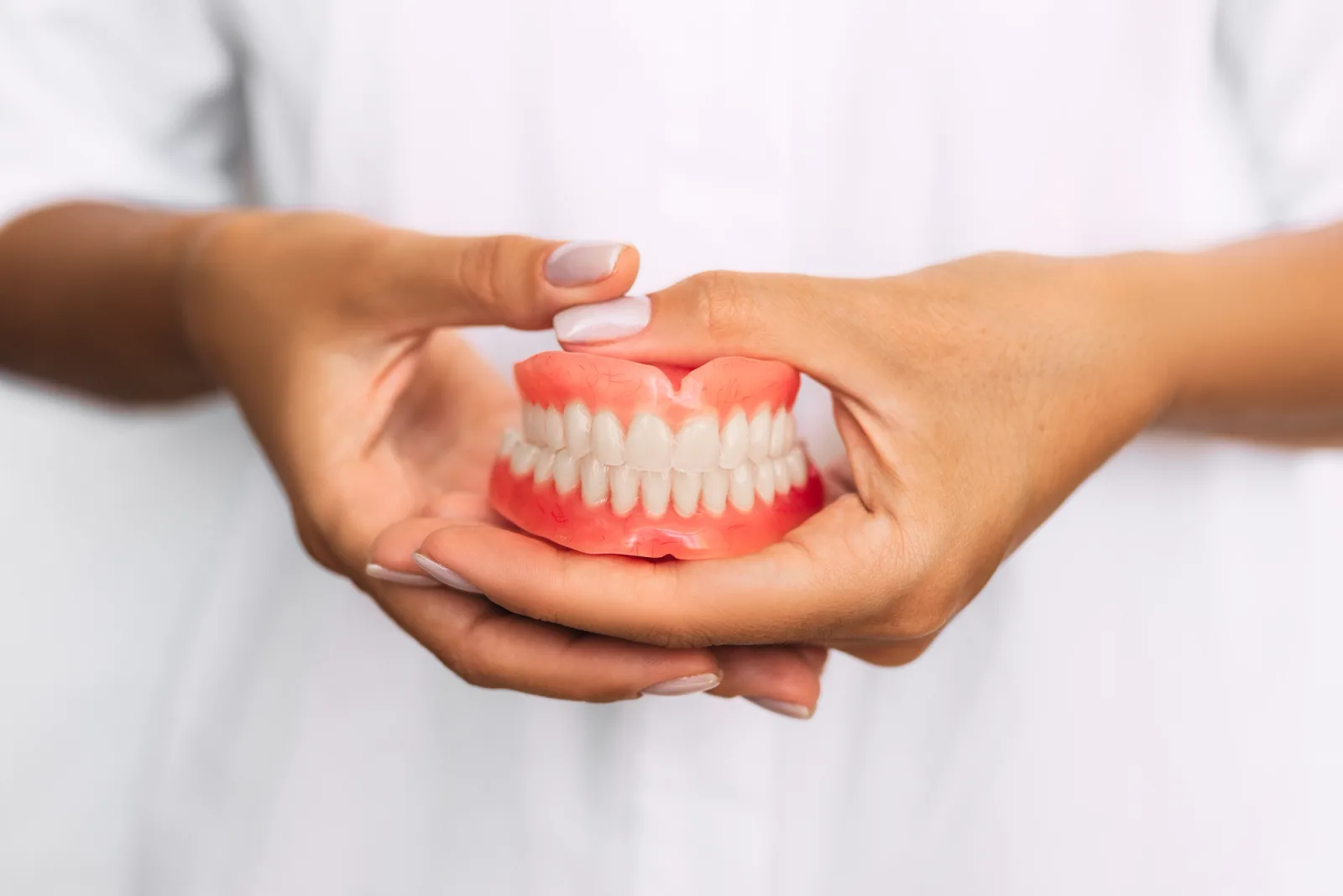
Once healing is stable, discuss replacement to keep your bite balanced and prevent tooth shifting. Options include:
Your dentist will guide timing—implants often follow once bone has healed sufficiently, sometimes with grafting if needed.
Benefits Of Good Aftercare
Need A Straightforward Aftercare Plan?
We’ll walk you through each step and check on your healing. Contact Panhandle Dental in Amarillo at 806-581-1919 to Call Us Today and set up your extraction visit and follow-up schedule.
Start Your Smile Journey Today
Are you ready to brighten your smile? Schedule your visit at Panhandle Dental today! Experience a comprehensive exam, get your personalized treatment consultation, and explore various payment options.