
Published on May 22, 2026 | 7 minute read
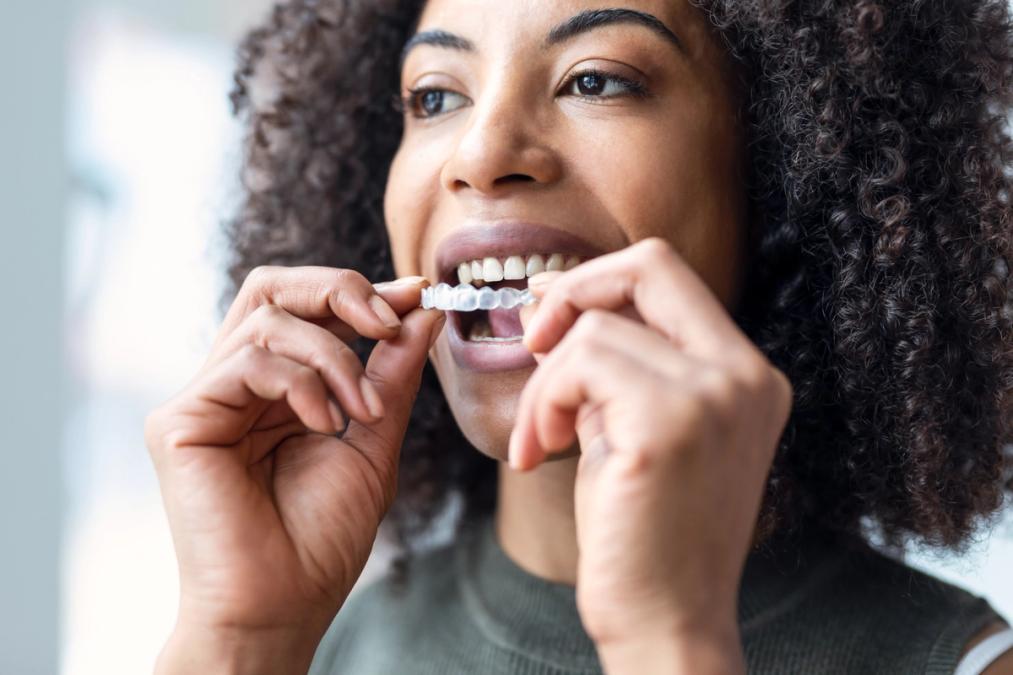
If you’ve wanted straighter teeth but keep putting it off because braces feel like “too much,” clear aligners may be your best next step. At Panhandle Dental, we offer OrthoFx Clear Aligners to help you straighten teeth discreetly—without brackets, wires, or major disruptions to your routine.
This guide explains what aligner treatment looks like in real life, who tends to be a good candidate, what the timeline can look like, and how we help you stay comfortable and confident from your first tray to your final retainer.
Clear aligners are designed to guide teeth into better alignment over time. Many patients come to us looking to improve:
The best way to know what aligners can do for your smile is a consultation, because every bite and movement plan is unique. Our job is to evaluate predictability and help you choose the path that fits your goals.
Your first visit is all about clarity. We’ll talk through what you want to change, what you’ve noticed over time, and what matters most to you—appearance, comfort, timing, or all of the above.
Then we evaluate your teeth and bite, and we use digital scanning technology to capture detailed images. This helps us plan aligner movements accurately and build a treatment roadmap that’s tailored to you.
Once your plan is designed, your aligners are created as a series. Each set is designed to make small, controlled changes so movement stays steady and predictable.
Here’s what the process typically looks like:
When your aligners arrive, we’ll make sure they fit properly and feel comfortable. We’ll review wear instructions, cleaning tips, and what to expect during the first week—because that’s when most patients have the most questions.
Aligners work best when they’re worn consistently. Most patients wear aligners the majority of the day and remove them only for eating, drinking anything other than water, and brushing/flossing.
The goal is simple: make aligners part of your routine, like a watch or a pair of glasses. Once it becomes automatic, treatment feels much easier.
As you move through your series, you’ll switch to new aligners on a schedule we provide. A new tray often feels snug for a day or two—that’s normal and usually a sign the aligners are working as intended.
We’ll schedule check-ins to confirm your teeth are tracking properly. These visits help us keep things on course, address any fit issues early, and answer questions as you go.
Treatment time varies by case, but many aligner plans fall in the 6–18 month range. The exact timeline depends on your starting alignment, how much movement is needed, and how consistently aligners are worn.
During your consultation, we’ll discuss your expected timeline and what factors help you stay on track. Most delays happen when aligners aren’t worn consistently—so we focus on building a routine that feels realistic.
Most patients adapt quickly, but here are a few common experiences:
A mild pressure feeling—especially with a new tray—is normal. It usually fades within a day or two.
Some patients notice a slight change in speech at first. It typically resolves quickly as your mouth adapts, especially if you practice speaking normally throughout the day.
During the first week, you may feel more aware of the aligners. After that, most patients report they “forget they’re wearing them” much of the time.
If anything feels sharp, overly tight, or uncomfortable, we want to know. Small adjustments and guidance can make a big difference.
One of the biggest benefits of aligners is flexibility. You remove aligners to eat, which means you don’t have the food restrictions that come with brackets and wires.
A few helpful habits:
These habits aren’t about perfection—they’re about keeping treatment smooth and predictable.
Some aligner cases use small, tooth-colored “attachments” to help trays grip and move teeth more effectively. If you need attachments, we’ll explain where they’ll go and why. Most patients find they’re subtle and easy to adapt to, and they often improve results significantly.
Straightening teeth is exciting, but gum health still matters. With aligners, it’s easier to keep teeth clean than with braces—because you can brush and floss normally. We’ll help you stay on track with:
Healthy gums support more comfortable movement and a better final outcome.
After aligner treatment, retainers keep teeth from shifting back. Teeth naturally want to move over time, which is why retainers are essential. We’ll guide you on how often to wear them and how to care for them so your smile stays stable.
Think of retainers as the “keep it” step. Aligners create the result—retainers protect it.
If you’re ready to explore a straighter smile without braces, we’re here to help. Call Panhandle Dental in Amarillo at (806) 541-4152 to Book an Appointment for a clear aligner consultation.
