
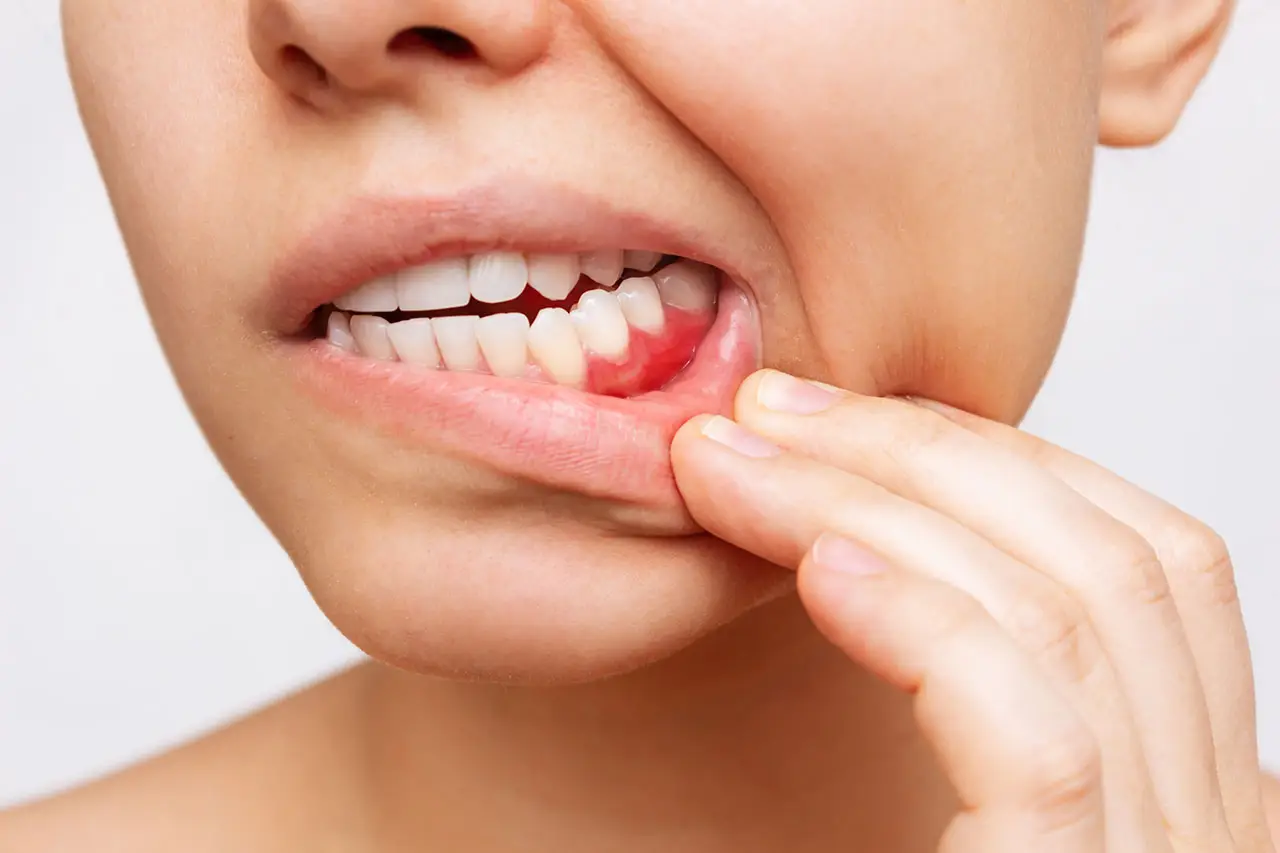
Have you noticed that one tooth seems a little longer than it used to, or that cold drinks suddenly create a sharp sensation near your gumline? These changes can sometimes be connected to gum recession, a condition in which gum tissue gradually moves away from the normal position around a tooth and exposes more of the tooth or its root surface.
Gum recession can develop for several reasons, and it does not automatically mean that someone has neglected their smile. Genetics, brushing habits, gum inflammation, tooth position, clenching, grinding, and other factors may all play a role. At Panhandle Dental, our preventive dentistry services in Amarillo include evaluation of gum health, sensitivity, and exposed root surfaces so patients can understand what is happening and what options may help.
Because gum recession often develops gradually, many patients do not notice it immediately. However, recognizing the early signs can make it easier to protect vulnerable areas and address the factors contributing to the problem.
What Is Gum Recession?
Healthy gum tissue normally forms a close seal around each tooth. When that tissue pulls back or becomes thinner, part of the tooth root may become exposed. Unlike the crown of a tooth, which is protected by a strong outer layer of enamel, the root surface is covered by a different type of tissue that can be more sensitive to temperature and physical contact.
Therefore, even a relatively small amount of gum recession can sometimes create noticeable sensitivity. In addition, exposed root surfaces may be more vulnerable to wear and decay than enamel-covered portions of the tooth.
Gum recession may involve only one tooth, several teeth, or larger areas of the mouth. The appropriate response depends on the cause, the amount of recession, the condition of the gums, and whether the exposed area is creating discomfort or other oral health concerns.
Common Signs of Gum Recession
Some cases of gum recession are easy to see, while others are discovered during a routine dental examination. Signs that may deserve professional attention include:
- Teeth that appear longer than before
- A visible yellowish area near the gumline
- Sensitivity to cold foods, cold drinks, sweets, or brushing
- Small grooves or worn areas near the roots of teeth
- Changes in the way the gumline looks from one tooth to another
- Bleeding, redness, or swelling around the gums
- Discomfort when brushing near a particular tooth
Meanwhile, some patients experience recession without significant discomfort. That is one reason regular dental visits are useful. A dentist can compare gum levels over time and look for changes that might be difficult to notice at home.
Why Do Gums Recede?
Gum recession is not caused by one single issue. In fact, several factors may contribute at the same time.
Brushing Too Aggressively
Brushing thoroughly is important, but harder brushing is not necessarily better brushing. Repeatedly scrubbing the gumline with excessive pressure or using a firm toothbrush can irritate delicate tissues. Over time, this may contribute to recession or wear near the roots.
A soft-bristled toothbrush and gentle, controlled movements are generally a better choice. Electric toothbrushes with pressure indicators may also help some patients recognize when they are pressing harder than necessary.
Gum Inflammation
Plaque that remains along and below the gumline can contribute to inflammation. As gum disease progresses, the tissues supporting the teeth can change, and gum recession may become more noticeable.
For this reason, evaluating recession includes looking at the health of the surrounding gum tissue. If inflammation or periodontal disease is present, controlling that condition becomes an important part of the treatment plan.
Natural Tooth Position and Genetics
Some people naturally have thinner gum tissue than others. Additionally, teeth that sit toward the outer edge of the jawbone can sometimes have less gum and bone covering their roots.
Consequently, two people with similar oral hygiene routines may have very different risks for recession. A personalized examination is more useful than assuming that one habit is responsible.
Clenching and Grinding
Repeated pressure from clenching or grinding can place additional stress on teeth and the tissues around them. Although these habits are not the only causes of recession, they may contribute to wear or sensitivity near the gumline in certain patients.
If signs of grinding are present, your dentist may discuss ways to reduce damaging pressure and protect your teeth.
Why Exposed Tooth Roots Can Feel Sensitive
A common reason patients ask about gum recession is tooth sensitivity. The root surface contains microscopic pathways that can transmit sensations toward the inner portion of the tooth. When protective gum tissue no longer covers that surface, cold air, beverages, sweets, or brushing may trigger brief discomfort.
However, sensitivity can have many causes. Cavities, cracks, worn fillings, grinding, recent dental treatment, and other conditions can produce similar symptoms. Therefore, an examination is important before assuming that recession is responsible.
Once the cause is identified, the dentist can recommend an approach that targets the actual problem rather than simply masking the sensation.
How Recession Protection May Help
Not every area of recession requires surgical treatment. In some situations, the priority is protecting the exposed root, reducing sensitivity, improving home care, and preventing the area from becoming more vulnerable.
Panhandle Dental offers recession protection as part of preventive care. Depending on the individual situation, a dentist may recommend products or professional treatments designed to reduce sensitivity and shield exposed areas.
Dentinal sealants, desensitizing agents, fluoride treatment, changes to brushing technique, and treatment of underlying gum inflammation may all be considered. The specific recommendation depends on how much root surface is exposed and what is causing the problem.
Importantly, these treatments do not make gum tissue grow back. Instead, they can help protect the area and make daily activities such as drinking cold water or brushing more comfortable.
Benefits of Gum Recession Treatment in Amarillo
Addressing gum recession early can help patients protect areas that may otherwise become increasingly sensitive or difficult to maintain. Depending on the cause and treatment selected, potential advantages include:
- Reduced tooth sensitivity: Protective treatments may decrease discomfort from cold, sweets, air, or brushing.
- Protection for exposed root surfaces: Root surfaces are more vulnerable than enamel-covered portions of teeth, so added protection can be valuable.
- Earlier identification of gum disease: An examination can determine whether inflammation or periodontal changes are contributing to recession.
- Improved brushing technique: Small changes in pressure, toothbrush type, and technique may help protect gum tissue.
- Better monitoring: Recording gum levels allows the dental team to determine whether recession is stable or progressing.
- Personalized prevention: Treatment can be based on your gum thickness, tooth position, sensitivity, habits, and oral health needs.
In addition, addressing sensitivity may make it easier to maintain consistent brushing around the affected area. Comfortable home care supports both tooth and gum health.
Can Receding Gums Grow Back?
Once gum tissue has receded, it usually does not simply return to its previous position on its own. However, that does not mean every case will continue to worsen.
Many situations can be managed by identifying contributing factors, protecting exposed surfaces, maintaining excellent plaque control, and monitoring the area. More significant recession may require additional evaluation or treatment, particularly if there is progressive tissue loss, root decay, substantial sensitivity, or concern about the supporting structures around the tooth.
Your dentist can explain whether the goal should be monitoring, sensitivity control, prevention of additional recession, restorative protection, or referral for more advanced gum treatment.
How to Brush When You Have Gum Recession
Good brushing remains important, but technique matters. Patients with recession may benefit from several simple adjustments:
- Use a soft-bristled toothbrush.
- Apply gentle pressure instead of scrubbing aggressively.
- Brush twice daily with fluoride toothpaste.
- Angle the bristles carefully toward the gumline.
- Clean between teeth every day.
- Avoid repeatedly brushing one sensitive area more aggressively in an attempt to make it feel cleaner.
If you are unsure about your technique, bring your toothbrush to your next dental visit. A hygienist can demonstrate a method that cleans effectively without placing unnecessary pressure on delicate gum tissue.
When Should You Ask a Dentist About Receding Gums?
A dental evaluation is worthwhile if you notice a visible change in your gumline, increasing tooth sensitivity, bleeding gums, persistent bad breath, or discomfort near exposed roots.
Additionally, schedule an evaluation if recession appears to be progressing. Early assessment gives your dentist an opportunity to identify the cause and determine whether simple preventive measures may be enough to stabilize the area.
Severe pain, swelling, a loose tooth, or signs of infection deserve prompt attention because another dental condition may be present.
Frequently Asked Questions About Gum Recession
Does gum recession always mean I have gum disease?
No. Gum disease can contribute to recession, but brushing pressure, tooth position, thin gum tissue, grinding, and other factors can also be involved. A dental examination can help determine the cause.
Can sensitive toothpaste help exposed roots?
Desensitizing toothpaste can help some patients manage mild sensitivity. However, persistent or worsening sensitivity should be evaluated to make sure a cavity, crack, or another dental problem is not responsible.
Should I stop brushing an area that has receded?
No. Plaque still needs to be removed, but brushing should be gentle. Avoiding the area completely can allow plaque to accumulate and may increase inflammation.
Is gum recession an emergency?
Most recession develops gradually and is not an emergency. However, sudden changes, significant pain, swelling, infection, or tooth mobility should be evaluated promptly.
Can fluoride help an exposed root?
Fluoride can strengthen vulnerable tooth surfaces and may be recommended as part of a preventive plan. Your dentist can determine whether professional fluoride or another protective treatment is appropriate.
Protect Sensitive Areas Before They Become Bigger Problems
Gum recession is often easier to manage when it is identified early. Instead of guessing whether sensitivity is caused by brushing, gum disease, grinding, or another issue, a dental examination can provide a clearer answer and a personalized plan.
If you have noticed exposed roots, a changing gumline, or new sensitivity, contact Panhandle Dental at (806) 677-0202 or contact our Amarillo office. Book an Appointment at Panhandle Dental, 7200 SW 45th Ave #5, Amarillo, TX 79109, to learn whether recession protection or another preventive treatment may be right for your smile.