
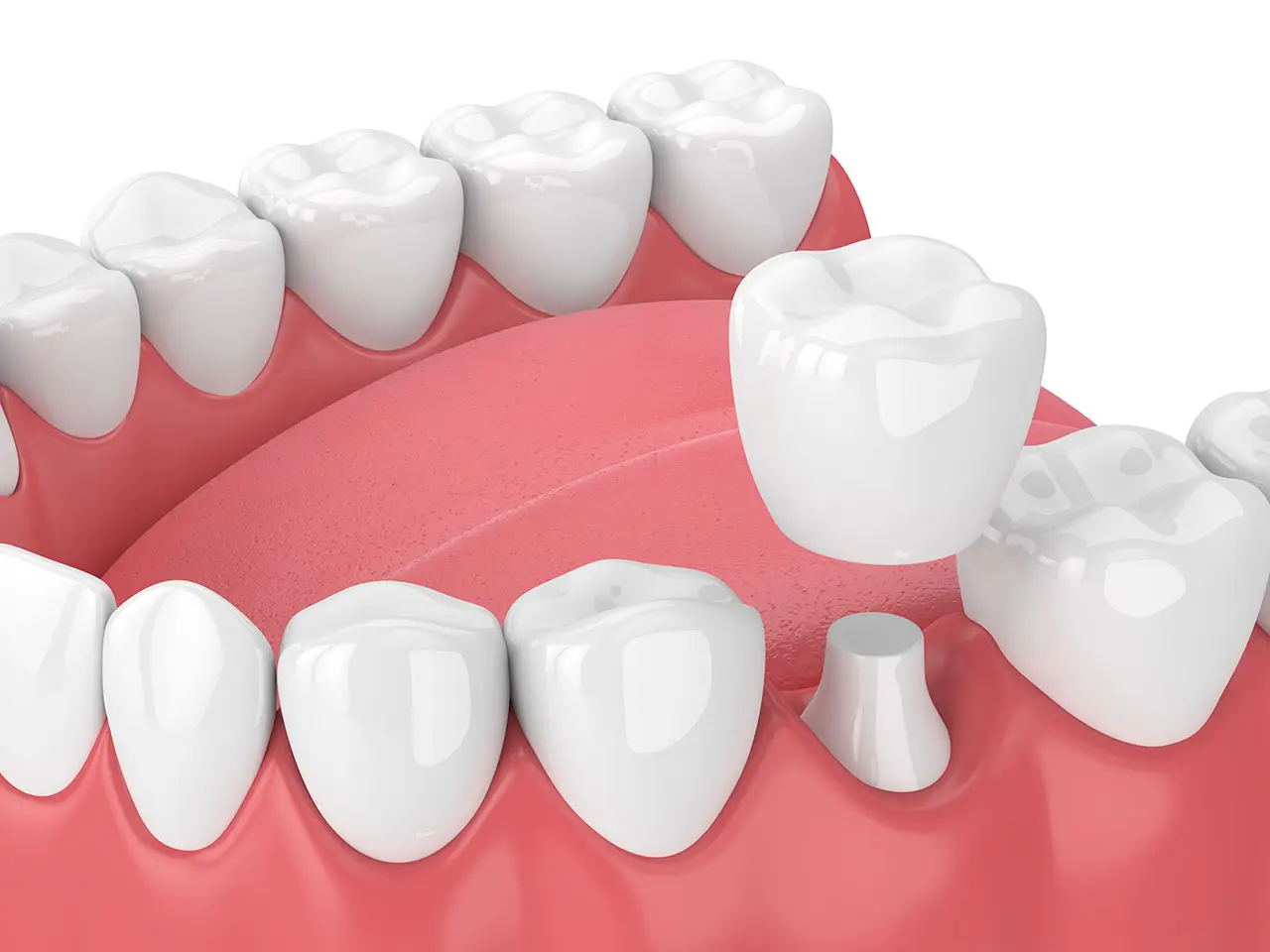
A dental crown is designed to protect a weakened or restored tooth, so it can be surprising when the crown suddenly feels different. Maybe it moves slightly when you chew, a small piece has chipped, the bite feels unusual, or the entire crown has come off. Although these situations are understandably concerning, the most important thing is to protect the tooth and arrange a dental evaluation rather than trying to permanently repair the crown yourself.
Panhandle Dental provides restorative dentistry in Amarillo for teeth that need crowns, bridges, implant restorations, and other forms of repair. If an existing crown develops a problem, an examination can determine whether the crown can be recemented or repaired, whether a new restoration is necessary, or whether the tooth underneath needs additional treatment.
Some crown problems require faster attention than others. Understanding the warning signs can help you protect the tooth until you reach the dental office.
Why Can a Dental Crown Become Loose?
A crown is bonded or cemented to the prepared tooth underneath it. Although dental restorations are made for long-term use, several conditions can weaken that connection.
Possible reasons include:
- Wear or breakdown of the dental cement
- Decay developing near the edge of the crown
- A fracture in the tooth underneath
- Damage from biting something unusually hard
- Repeated clenching or grinding
- A problem with the bite
- Age and long-term wear of the restoration
- Trauma to the mouth
A loose crown should be evaluated even if it does not hurt. Movement can allow bacteria and food debris to reach areas that are normally protected.
How Can You Tell If a Crown Is Loose?
Sometimes the entire crown moves noticeably. Other times, the signs are subtler.
You may notice:
- A clicking sensation when chewing
- Movement when your tongue touches the crown
- A sudden change in your bite
- Food catching around one side of the restoration
- New sensitivity near the crowned tooth
- An unusual taste or odor around the area
- Tenderness when biting
However, discomfort around a crown does not always mean the restoration itself is loose. Gum irritation, decay, a cracked tooth, or changes in the bite can create similar symptoms.
Therefore, avoid repeatedly testing the crown with your fingers or tongue. An examination is a safer way to determine what has changed.
What Should You Do If a Crown Falls Off?
If the crown comes off completely, stay calm and save it if possible.
Then take several practical steps:
- Remove the crown carefully from your mouth so you do not swallow it.
- Rinse it gently with water if needed.
- Store it in a clean container.
- Avoid chewing on the exposed tooth.
- Keep the area reasonably clean with gentle brushing.
- Contact your dentist to arrange an evaluation.
Do not use household glue or another permanent adhesive to attach the crown. These products are not designed for use inside the mouth and may damage the tooth, crown, or surrounding tissue.
Depending on the condition of the crown and underlying tooth, the dentist may be able to recement the existing restoration. In other cases, a replacement crown may be the better option.
Is a Lost Crown a Dental Emergency?
A lost crown is not always a severe emergency, but it deserves timely attention. The tooth underneath may be more vulnerable to sensitivity, fracture, contamination, or movement without its protective restoration.
Call promptly if the tooth is painful, broken, extremely sensitive, or difficult to chew on.
More urgent evaluation is important if you also have facial swelling, significant bleeding, trauma, fever, drainage, or severe persistent pain. Those symptoms may indicate a condition beyond a simple crown problem.
What If Only a Small Piece of the Crown Chipped?
Modern ceramic crowns are durable, but they can still chip under enough pressure. A tiny chip may simply create a rough edge, while a larger fracture can affect the crown’s strength or appearance.
If you notice a chipped area, avoid hard foods on that side and schedule an examination. The dentist will determine whether the surface can be smoothed or repaired or whether the restoration needs replacement.
The decision depends on the material, location, size of the fracture, bite forces, and condition of the tooth underneath.
Even a painless chip is worth checking because small fractures can sometimes become larger under repeated chewing pressure.
Why Does My Crown Hurt When I Bite?
Pain when biting can occur for several reasons.
The crown may be slightly high, which means it contacts the opposing tooth before the rest of your bite comes together. Alternatively, the tooth underneath could be irritated, cracked, or affected by decay.
If the crown was placed recently, mild short-term sensitivity may improve as the tissues settle. However, pain that persists, increases, or develops after the crown has been comfortable for a long time deserves evaluation.
Do not assume the problem will resolve simply because the crown still looks normal from the outside.
Can a Dentist Simply Recement the Crown?
Sometimes, yes. If the crown is intact, still fits properly, and the tooth underneath is healthy, recementing may be possible.
However, a crown should not automatically be glued back into place without determining why it came loose. If decay has formed underneath, the old crown no longer fits correctly, or part of the tooth has fractured, simply recementing it may hide a larger problem.
A dental examination allows the dentist to evaluate the supporting tooth, check the restoration, and determine the most predictable repair.
When Does a Crown Need to Be Replaced?
A replacement may be recommended when the existing restoration can no longer provide a reliable seal or adequate strength.
Reasons can include:
- A significant ceramic fracture
- Decay beneath or around the crown
- A poor fit
- Repeated loosening
- Damage to the underlying tooth
- Extensive wear
- A restoration that can no longer be repaired predictably
If a new crown is needed, the dentist may use digital scanning or another impression technique to capture the shape of the prepared tooth and surrounding bite.
The replacement is then designed to restore comfortable function and blend naturally with nearby teeth.
Benefits of Dental Crown Repair in Amarillo
Addressing a loose, damaged, or missing crown promptly can help protect both the restoration and the tooth underneath it.
- Protects weakened tooth structure: A functioning crown helps shield a tooth that may already have significant structural loss.
- Restores comfortable chewing: Repairing the problem can help eliminate movement or uneven bite pressure.
- Reduces exposure of vulnerable tooth surfaces: Replacing or securing the restoration helps protect areas that are normally covered.
- Allows decay or cracks to be identified: An examination can reveal whether the crown problem is a symptom of another issue.
- Preserves existing dental work when possible: In certain cases, an intact crown may be reusable rather than automatically replaced.
- Improves fit and bite stability: A properly fitted restoration should feel secure and comfortable during normal function.
- Helps prevent a minor problem from becoming larger: Early evaluation may reduce the chance of additional damage to the crown or tooth.
Most importantly, crown repair is not only about the visible restoration. The dentist is also checking the health and structural condition of the tooth that supports it.
Can You Eat With a Loose Crown?
If you believe a crown is loose, avoid chewing on that side until it has been evaluated. Sticky foods may pull on the restoration, while hard foods can increase the risk of further fracture.
Choose softer foods and chew carefully on the opposite side if possible.
If the crown has fallen off entirely, the exposed tooth may also be sensitive to hot, cold, or sweet foods. Avoid extreme temperatures if they cause discomfort.
Should You Use Temporary Dental Cement at Home?
Temporary dental cement products are sold in some pharmacies, but they are not a substitute for professional evaluation. If you are considering one, contact your dental office for guidance.
Never use household glue, craft adhesive, super glue, or another product not intended for dental use.
Improperly seating a crown can affect the bite, trap debris, or make professional treatment more difficult. If the crown cannot be positioned easily and correctly, store it safely and bring it to your appointment instead.
What If the Crown Is on a Dental Implant?
A crown attached to a dental implant can also develop movement or damage, but the cause and repair process may differ from those of a crown attached to a natural tooth.
If an implant crown feels loose, avoid chewing on it and arrange an evaluation. The dentist will determine whether the movement is coming from the crown, connecting components, or another part of the restoration.
Do not repeatedly wiggle the crown because unnecessary movement may worsen the problem.
How Can You Help a Crown Last Longer?
Dental crowns still require routine home care. The ceramic or restorative material cannot develop a cavity, but the natural tooth at the edge of the crown can.
Helpful habits include:
- Brush twice daily with fluoride toothpaste.
- Clean between teeth every day.
- Keep regular dental examinations and professional cleanings.
- Avoid chewing ice, pens, or other extremely hard objects.
- Ask about a protective nightguard if you grind or clench your teeth.
- Report changes in your bite instead of waiting for significant discomfort.
Furthermore, routine dental examinations allow small changes around restorations to be identified before they create more noticeable symptoms.
Frequently Asked Questions About Dental Crown Repair
Can a loose crown tighten itself again?
No. If a crown is truly loose, the underlying cause needs professional evaluation. Continuing to chew on it may increase the risk of additional damage.
Can I sleep with a crown that has fallen off?
Do not place a loose crown back in your mouth unless it is securely positioned according to dental guidance. A loose restoration could come off again and create a swallowing or choking concern. Store it safely instead.
Does a fallen crown always need replacement?
No. If the existing crown remains intact and still fits a healthy tooth properly, recementing may sometimes be possible. The dentist must evaluate the tooth first.
Why does my crowned tooth suddenly feel sensitive?
Possible causes include a loose restoration, gum recession, decay, bite changes, or a problem within the tooth. New or persistent sensitivity should be evaluated.
How quickly should I call after losing a crown?
Contact the dental office as soon as reasonably possible. Even when there is little pain, the underlying tooth may be more vulnerable without its normal protection.
Protect the Tooth Under Your Crown
A loose or broken crown is more than an inconvenience. Because the restoration is protecting an underlying tooth, getting the problem evaluated promptly can help preserve tooth structure, restore comfortable chewing, and identify hidden concerns before they become more complicated.
If your dental crown is loose, chipped, uncomfortable, or has fallen off, contact Panhandle Dental at (806) 677-0202 to Book an Appointment. Panhandle Dental is located at 7200 SW 45th Ave #5, Amarillo, TX 79109, and our team can evaluate the restoration and explain your available repair or replacement options.