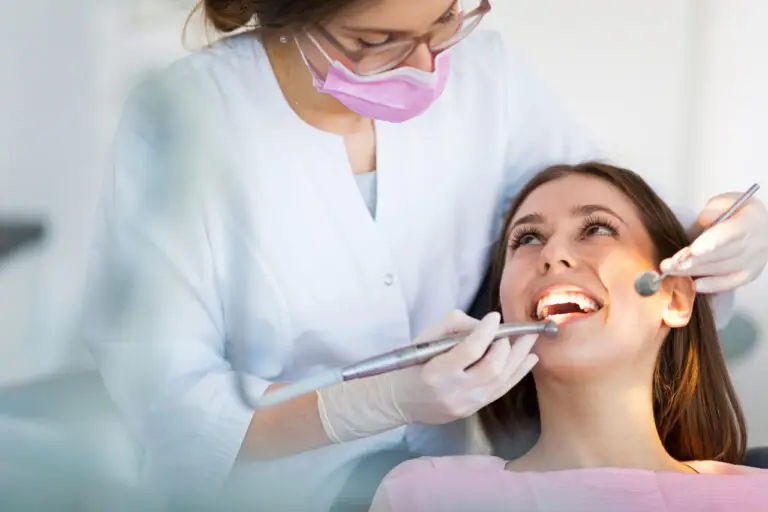
Most people expect a dental exam to focus on cavities, cleanings, and gum health. However, your dentist is also paying close attention to the soft tissues of your mouth, tongue, lips, throat, and nearby areas. These checks matter because changes in oral tissues can sometimes develop quietly without creating obvious pain or discomfort at first.
At Panhandle Dental, oral tissue evaluation is part of preventive dentistry in Amarillo. The practice also uses VELscope technology as an additional visualization tool when appropriate. An oral cancer screening does not automatically mean your dentist suspects something serious. Instead, it is a preventive measure designed to identify unusual areas that may need monitoring, further evaluation, or referral.
For most patients, the screening is simple, comfortable, and completed as part of a routine dental examination. Understanding what your dentist is checking can help you appreciate why preventive visits involve much more than looking for cavities.
What Is an Oral Cancer Screening?
An oral cancer screening is a careful visual and physical examination of the mouth and nearby tissues. Your dentist looks for areas that appear different from the surrounding tissue, including changes in color, shape, texture, thickness, or symmetry.
The screening may include the lips, gums, inside of the cheeks, roof of the mouth, floor of the mouth, tongue, back of the throat, and tissues around the jaw and neck. In addition, your dentist may gently feel certain areas to check for unusual firmness, tenderness, swelling, or enlarged lymph nodes.
Most unusual areas found during a dental examination are not cancerous. For example, irritation from accidentally biting the cheek, a canker sore, a sharp tooth, an appliance, or another temporary condition can change the appearance of oral tissue. However, an area that does not heal as expected deserves closer attention.
Why Is Screening Important When Nothing Hurts?
Many patients associate serious dental or oral conditions with pain. However, pain is not always an early warning sign. Some changes in oral tissue may remain painless for a period of time.
Additionally, several parts of the mouth are difficult to see at home. You may be able to examine the front of your tongue and gums in a mirror, but viewing the sides of the tongue, floor of the mouth, back of the throat, and other areas can be challenging.
During a professional examination, your dentist has proper lighting, instruments, training, and a clear view of these areas. Regular examinations also create an opportunity to compare oral tissues over time and determine whether something has recently changed.
What Does a Dentist Look for During an Oral Cancer Screening?
There is no single appearance that identifies every concerning oral lesion. Instead, dentists look for several types of changes and consider how long they have been present.
Areas that may deserve additional evaluation include:
- A sore that does not appear to heal normally
- A persistent red or white patch
- A mixed red-and-white area
- An unexplained lump or thickened area
- A rough or crusted spot that persists
- Unusual bleeding without an obvious cause
- A noticeable change in the surface of the tongue
- Unexplained numbness in part of the mouth
- A persistent feeling that something is caught in the throat
- Ongoing hoarseness or swallowing difficulty
- A change in the way a denture or other oral appliance fits
These signs can occur for many reasons other than cancer. Therefore, finding one does not provide a diagnosis. Instead, it tells the dentist that the area may deserve monitoring or additional investigation.
What Is VELscope?
VELscope is an enhanced visualization system that can help dental professionals examine oral tissues more closely. The device uses a special light that interacts with tissues in the mouth and may help highlight areas that appear different from surrounding tissue.
VELscope does not diagnose oral cancer by itself. It is best understood as an additional screening tool that can support the dentist’s visual and physical examination.
If an area appears unusual, your dentist considers several factors, including its location, appearance, symptoms, duration, and your health history. Depending on those findings, the dentist may recommend monitoring the area, scheduling a follow-up examination, or referring you for further evaluation.
What Happens During an Oral Cancer Screening?
The screening process is usually straightforward. Your dentist may begin by asking whether you have noticed any mouth sores, lumps, patches, swallowing difficulties, numbness, or other changes.
Next, the dentist examines the visible tissues of the mouth. Your tongue may be gently moved to one side so its borders and underside can be viewed. The floor and roof of the mouth are also evaluated.
Your dentist may gently feel the tissues inside the mouth and examine areas around the jaw and neck. This physical portion of the examination can help identify unusual firmness or swelling that may not be obvious visually.
When appropriate, an enhanced visualization system such as VELscope may also be used. The process generally requires no recovery period, and you can continue your normal activities after the appointment.
Who Should Receive an Oral Cancer Screening?
Oral tissue evaluation can be useful for adults of many ages. While certain people have higher risk factors, oral cancer is not limited to people who smoke or use tobacco.
Factors that may increase concern include tobacco exposure, heavy alcohol use, previous oral cancer, prolonged sun exposure affecting the lips, and certain viral infections. However, patients without these risk factors can still develop concerning oral changes.
Therefore, routine examination of the mouth remains valuable even if you consider yourself healthy and have never used tobacco products.
What Symptoms Should You Mention to Your Dentist?
Your dentist can only evaluate symptoms they know about, so mention changes even if they seem minor.
For example, tell your dentist about a mouth sore that does not seem to heal, a recurring area of irritation, a lump, unusual numbness, persistent throat discomfort, or difficulty swallowing.
You should also mention changes in speech, unexplained hoarseness, recurring bleeding, or a persistent feeling of fullness or thickness in part of the mouth.
Most of these symptoms have possible explanations that are not cancer. Nevertheless, ongoing or unexplained changes deserve professional evaluation rather than months of observation at home.
How Long Should a Mouth Sore Last?
Minor oral injuries often heal relatively quickly. For example, if you accidentally bite your cheek, the area should generally begin improving as the tissue recovers.
A sore that remains present, repeatedly returns in the same location, becomes larger, or does not appear to be healing normally should be evaluated.
Rather than relying on a rigid timeline, pay attention to whether the area is clearly improving. If you are uncertain, contacting your dentist is appropriate.
Benefits of Oral Cancer Screening in Amarillo
Oral cancer screening adds another layer of preventive information to a routine dental examination. Potential advantages include:
- Earlier recognition of unusual tissue changes: A dentist may notice an area that is difficult for you to see at home.
- Regular monitoring over time: Routine visits allow your dentist to compare current findings with previous examinations.
- Evaluation beyond the teeth: Oral health includes the tongue, lips, cheeks, gums, palate, and other soft tissues.
- Opportunity to discuss risk factors: Patients can ask questions about tobacco, alcohol, sun exposure, persistent irritation, and other concerns.
- Enhanced visualization when appropriate: VELscope can provide an additional method for examining areas of oral tissue.
- Clear follow-up recommendations: If something appears unusual, your dentist can explain whether monitoring or additional evaluation is appropriate.
- Convenience during preventive care: Screening can often be incorporated into a routine dental examination without a complicated separate appointment.
Most importantly, regular screening encourages awareness. Changes that might otherwise go unnoticed can receive attention sooner.
Does an Abnormal Area Mean You Have Oral Cancer?
No. Many common conditions can create unusual-looking areas inside the mouth.
Canker sores, infections, cheek biting, sharp tooth edges, poorly fitting appliances, burns from hot foods, and other sources of irritation can all affect oral tissue.
Your dentist looks at the overall clinical picture. If there is a clear cause and the area appears to be healing normally, monitoring may be enough. However, if the area persists or has concerning characteristics, additional evaluation may be appropriate.
A definitive diagnosis of a suspicious lesion may require a biopsy. A screening examination itself does not provide that diagnosis.
What Happens If Your Dentist Finds Something Unusual?
The recommendation depends on what the dentist sees.
In some cases, the dentist may take a photograph or document the size and location of the area so it can be compared at a later visit. If the change appears related to irritation, removing the source of irritation and rechecking the tissue may be appropriate.
Other findings may require referral to an oral surgeon, physician, or another healthcare specialist. If a biopsy is recommended, a small sample of tissue is evaluated so the exact nature of the area can be determined.
Being referred does not automatically mean cancer is present. Referral simply means the area deserves a more specialized evaluation.
Can You Perform an Oral Self-Check at Home?
Home awareness can be useful between dental visits. Occasionally look at your lips, cheeks, gums, and tongue under good lighting. Notice whether an area looks dramatically different from its surroundings.
You can also gently observe the sides and underside of your tongue. However, do not repeatedly poke or irritate an area because that can make normal tissue more difficult to evaluate.
Self-checking is not a replacement for professional screening. Some areas are difficult to see, and many normal structures can look unfamiliar if you have never examined them closely.
How Often Should Oral Cancer Screening Be Performed?
The appropriate schedule depends on your age, dental history, risk factors, symptoms, and preventive care schedule.
For many patients, oral tissue evaluation can be incorporated into regular dental examinations. Patients with significant risk factors or a previous history of suspicious lesions may require closer monitoring.
Your dentist can explain how oral cancer screening fits into your individual preventive plan.
How Can You Support Long-Term Oral Health?
No strategy eliminates every health risk. However, several habits can support oral health and reduce exposure to known risk factors.
- Avoid tobacco products.
- Limit excessive alcohol use.
- Protect your lips during prolonged sun exposure.
- Brush twice daily with fluoride toothpaste.
- Clean between your teeth every day.
- Maintain regular dental examinations.
- Report persistent mouth sores or tissue changes.
- Discuss personal risk factors with your healthcare providers.
In addition, do not assume that a painless change is automatically harmless. Persistent changes deserve attention even when they do not interfere with eating or speaking.
Frequently Asked Questions About Oral Cancer Screening
Does an oral cancer screening hurt?
A routine visual and physical oral cancer screening is generally comfortable. The dentist looks at oral tissues and may gently feel areas inside the mouth and around the jaw or neck.
Does VELscope diagnose oral cancer?
No. VELscope is an enhanced visualization aid. A suspicious finding may require additional evaluation, and a definitive diagnosis may require a biopsy.
Can someone who has never smoked develop oral cancer?
Yes. Tobacco exposure is an important risk factor, but oral cancer can occur in people who have never used tobacco products.
Should I call if a mouth sore is painless?
Yes, if the area persists, repeatedly returns, changes, or concerns you. Pain is not the only reason an oral lesion should be evaluated.
Is oral cancer screening separate from a dental exam?
Oral tissue evaluation can often be incorporated into a routine comprehensive or periodic dental examination. Additional visualization tools may be used when appropriate.
Keep Oral Changes on Your Radar
Preventive dental care involves more than checking for cavities. A thorough examination gives your dentist an opportunity to evaluate the soft tissues of your mouth and identify areas that may need closer attention. Most unusual findings have noncancerous explanations, but persistent or unexplained changes should not be ignored.
If you are due for a preventive dental examination or have noticed a sore, patch, lump, or other oral change that concerns you, contact Panhandle Dental at (806) 677-0202 or Contact Us. Book an Appointment at Panhandle Dental, 7200 SW 45th Ave #5, Amarillo, TX 79109, for a comprehensive oral health evaluation.