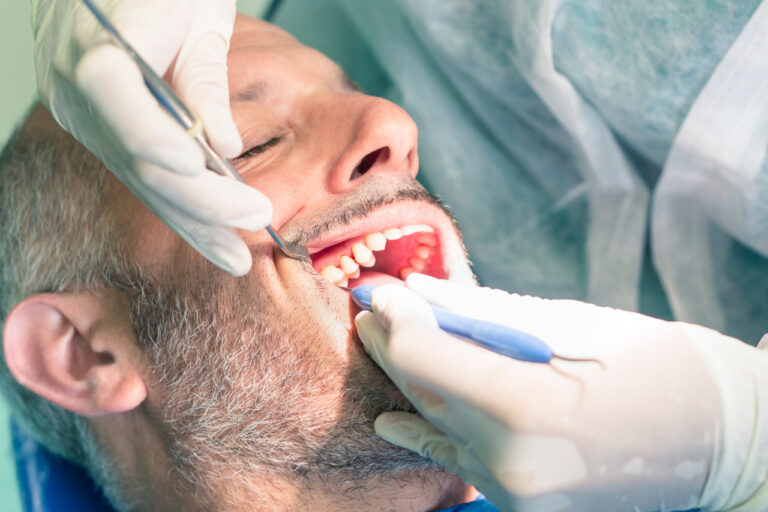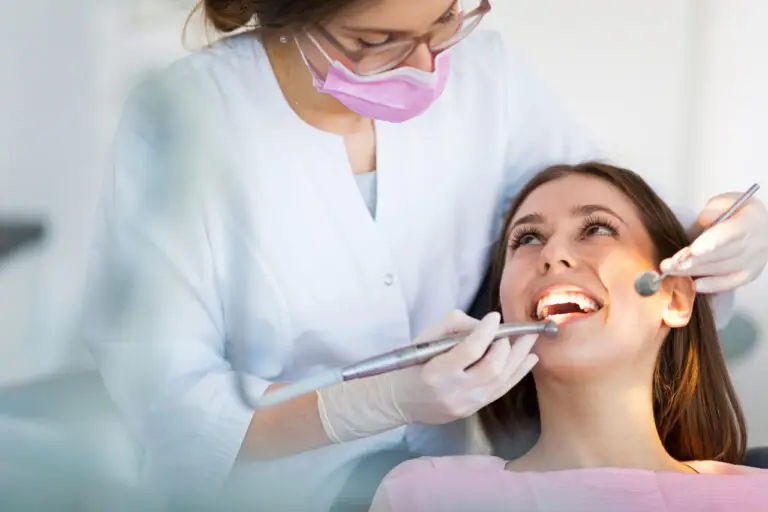

Fluoride is often associated with children’s dental visits, but cavity prevention does not stop when permanent teeth finish developing. Adults can develop new cavities throughout life, especially when changes in gum position, medications, dry mouth, existing dental work, diet, or oral hygiene make certain tooth surfaces more vulnerable.
Professional fluoride is one of the preventive options available through preventive dentistry at Panhandle Dental in Amarillo. Depending on your cavity risk and oral health needs, a dentist may recommend an in-office fluoride application to provide additional support for enamel and vulnerable root surfaces.
Not every adult needs professional fluoride. However, understanding what fluoride does and which situations increase cavity risk can help you make sense of the recommendation if it comes up during your dental visit.
What Does Fluoride Do for Teeth?
Tooth enamel is incredibly strong, but it is constantly exposed to acids produced when oral bacteria interact with sugars and carbohydrates.
During the day, minerals can move out of and back into the enamel. Fluoride supports the remineralization process and helps make the tooth surface more resistant to future acid attacks.
This is one reason fluoride toothpaste is a standard part of daily oral hygiene. Professional fluoride treatments provide another concentrated source of fluoride for patients who may benefit from additional protection.
Why Would an Adult Need Professional Fluoride?
Adults do not all have the same cavity risk.
One person may go years without developing decay, while another may experience repeated cavities despite brushing consistently. Your risk can also change over time.
A dentist may consider professional fluoride when a patient has factors such as:
- A history of frequent cavities
- Exposed tooth roots caused by gum recession
- Dry mouth
- Multiple crowns, bridges, or large fillings
- Difficulty cleaning certain areas
- Orthodontic appliances
- A diet that frequently exposes teeth to sugars or acids
- Medical or physical limitations that make home care more difficult
- Recent areas of early enamel weakening
The recommendation is generally based on individual risk rather than simply a patient’s age.
How Does Gum Recession Affect Cavity Risk?
Gum recession can expose part of the tooth root that was previously protected by gum tissue.
The crown of a tooth is covered by enamel, while the root surface has a different protective structure. Exposed roots can be more vulnerable to decay and sensitivity.
Therefore, adults with recession may need extra attention around the gumline. Professional fluoride may be part of a broader preventive plan that also includes gentle brushing, effective plaque control, treatment for gum inflammation when necessary, and products designed for sensitivity.
What Does Dry Mouth Have to Do With Cavities?
Saliva performs several useful jobs. It helps wash away food particles, buffers acids, and supports the natural repair process of tooth enamel.
When saliva production decreases, the mouth loses part of that protection. This can allow acids and bacteria to remain in contact with the teeth longer.
Dry mouth may be associated with medications, certain health conditions, dehydration, or other factors. Some patients notice a sticky feeling, frequent thirst, difficulty swallowing dry foods, or persistent mouth dryness, while others are unaware that saliva levels have changed.
If dry mouth is increasing your cavity risk, your dentist may recommend fluoride along with strategies for maintaining moisture and improving oral hygiene.
What Happens During a Professional Fluoride Treatment?
Professional fluoride treatment is generally simple and quick.
Depending on the product used, fluoride may be painted onto the tooth surfaces as a varnish or applied using another professional method. The treatment itself typically requires little chair time.
Your dental team will provide instructions about eating, drinking, brushing, or flossing afterward based on the specific fluoride product used.
Following those instructions gives the material time to remain in contact with the teeth as intended.
Does Professional Fluoride Replace Fluoride Toothpaste?
No. Professional treatment is intended to supplement an effective home routine rather than replace it.
For most adults, brushing twice daily with fluoride toothpaste remains one of the most important cavity-prevention habits.
Flossing or using another method to clean between teeth is also important because toothbrush bristles cannot fully clean every contact area.
Meanwhile, professional fluoride may provide an additional layer of support for people whose teeth are more vulnerable than average.
Can Adults With Crowns and Bridges Use Fluoride?
Yes, and natural tooth structure surrounding restorations still requires protection.
A ceramic crown cannot develop a cavity in the same way natural enamel can. However, the tooth at the edge of the crown remains susceptible to decay.
Likewise, supporting teeth underneath a bridge need careful plaque control because cavities around those teeth can compromise the restoration.
Consequently, adults with significant restorative dental work may benefit from a prevention plan focused on keeping the natural tooth structure around restorations healthy.
Can Fluoride Help With Tooth Sensitivity?
Some fluoride products can be helpful for sensitive tooth surfaces, particularly when the sensitivity is related to exposed roots or enamel wear.
However, tooth sensitivity has many possible causes. A cavity, cracked tooth, loose filling, gum recession, recent dental treatment, or grinding habit may produce similar symptoms.
Therefore, new or persistent sensitivity should be evaluated rather than automatically treated at home.
If the cause involves exposed or vulnerable tooth surfaces, fluoride may be one part of the recommended approach.
Benefits of Fluoride Treatment for Adults in Amarillo
For adults with elevated cavity risk, professional fluoride can support preventive care in several ways:
- Strengthens vulnerable tooth surfaces: Fluoride supports enamel remineralization and resistance to acid exposure.
- Provides extra support for exposed roots: Adults with gum recession may benefit from added protection along vulnerable root surfaces.
- Complements daily fluoride toothpaste: Professional treatment can provide additional preventive support beyond home care.
- Helps patients with dry mouth: When reduced saliva increases cavity risk, fluoride may become an important part of the prevention plan.
- Protects natural tooth structure around restorations: Crowns, bridges, and fillings still have margins where natural teeth need careful protection.
- Supports cavity prevention during higher-risk periods: Changes in medication, health, diet, or oral hygiene can sometimes temporarily increase dental risk.
- Allows prevention to be personalized: Fluoride can be recommended according to individual dental history rather than a one-size-fits-all schedule.
Professional fluoride works best as one part of a complete strategy that also includes effective brushing, interdental cleaning, appropriate nutrition, and routine dental examinations.
Is Fluoride Only Helpful After a Cavity Has Already Formed?
No. Fluoride is primarily used as a preventive tool.
Very early mineral changes in enamel may sometimes be managed with improved oral hygiene, dietary changes, fluoride exposure, and professional monitoring.
However, once tooth structure has been physically lost and a true cavity has formed, fluoride cannot rebuild the missing portion of the tooth. Restorative treatment may then be needed.
This distinction is important because preventive treatment is most useful before significant structural damage occurs.
How Often Might an Adult Need Professional Fluoride?
The appropriate interval depends on the individual.
Someone with a high risk of cavities may receive fluoride more frequently than a patient who rarely develops decay. In addition, recommendations may change if medications, health conditions, gum recession, or dental treatments alter a patient’s risk profile.
Your dentist or hygienist can explain why fluoride is being recommended and how frequently it may be useful based on your current oral health.
Can Diet Affect How Well I Prevent Cavities?
Yes. Cavity risk is influenced not only by how much sugar someone consumes, but also by how often teeth are exposed to fermentable carbohydrates and acidic conditions.
Frequently sipping sweetened beverages throughout the day, for example, can repeatedly expose teeth to acid-producing conditions.
More helpful habits include drinking water between meals, limiting constant snacking, brushing consistently with fluoride toothpaste, and cleaning between teeth every day.
If you frequently develop cavities despite good brushing, discussing eating and drinking patterns with your dental team may reveal opportunities for additional prevention.
Does More Fluoride Always Mean Better Protection?
No. Dental products should be used according to professional guidance and product instructions.
Professional fluoride is concentrated and intended for specific dental use. Likewise, prescription-strength fluoride products should be used only as directed.
The goal is not simply to use as much fluoride as possible. Instead, the goal is to select the appropriate type and frequency based on your risk.
Who May Not Need Professional Fluoride?
An adult with excellent oral hygiene, low cavity risk, adequate fluoride exposure, no recent decay, and no significant risk factors may not need additional professional fluoride at every visit.
Preventive care should be personalized. Some patients benefit most from professional fluoride, while others may need greater focus on periodontal care, brushing technique, diet, recession protection, or another concern.
Your dental examination helps determine which preventive services offer the most value for your particular smile.
Frequently Asked Questions About Adult Fluoride Treatment
Am I too old for fluoride treatment?
No. Adults can benefit from fluoride when they have an elevated risk for cavities, exposed roots, dry mouth, or other factors that make teeth more vulnerable.
Is professional fluoride the same as fluoride toothpaste?
No. Both provide fluoride, but professional products are designed for application in the dental setting and can provide additional support for selected patients.
Can fluoride reverse a cavity?
Fluoride can support remineralization of very early enamel changes, but it cannot replace tooth structure that has already been lost to an established cavity.
Should I get fluoride if I have gum recession?
Some patients with exposed root surfaces may benefit from fluoride. Your dentist can evaluate the recession, sensitivity, and cavity risk before making a recommendation.
Can I eat immediately after professional fluoride?
Instructions vary according to the fluoride product used. Follow the specific directions provided by your dental team after treatment.
Give Vulnerable Teeth Additional Protection
Adult teeth face changing challenges throughout life. Gum recession, dry mouth, existing dental restorations, medications, and changing dietary habits can all alter cavity risk. Professional fluoride gives dentists another preventive option when ordinary home care may benefit from additional support.
If you are experiencing recurring cavities, exposed roots, dry mouth, or sensitivity, contact Panhandle Dental at (806) 677-0202 to Schedule a Consultation. Panhandle Dental is located at 7200 SW 45th Ave #5, Amarillo, TX 79109, and our team can help determine whether professional fluoride should be part of your preventive care plan.