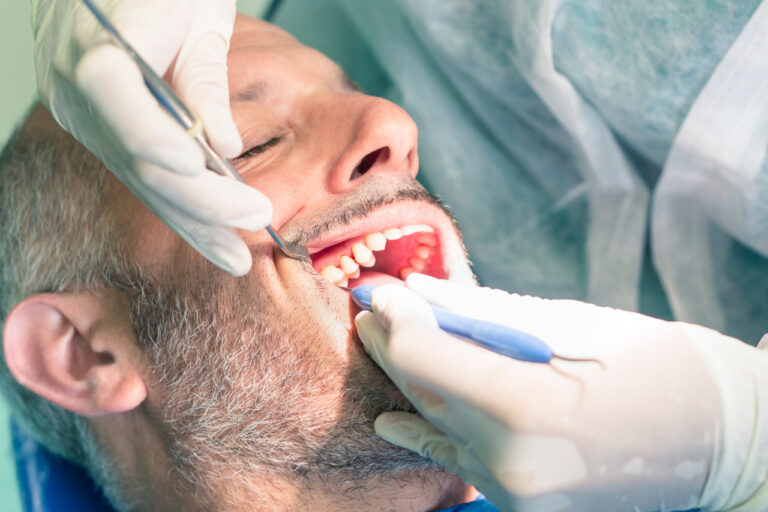

A dental filling can protect a repaired tooth for many years, but no restoration lasts forever. Everyday chewing, changes in temperature, grinding, new decay, and normal wear can gradually affect a filling. Sometimes a problem is obvious because part of the restoration breaks. In other cases, your dentist identifies a change before you notice any symptoms.
At Panhandle Dental, restorative dentistry in Amarillo includes tooth-colored fillings and other treatments designed to repair damaged teeth while preserving healthy tooth structure. If an existing filling becomes worn, loose, cracked, or no longer seals the tooth properly, your dentist can determine whether repair or replacement is appropriate.
Knowing which warning signs deserve attention can help you avoid waiting until a small restoration problem becomes a larger cavity, tooth fracture, or painful dental issue.
How Long Do Dental Fillings Last?
There is no exact expiration date for a dental filling. Some restorations remain stable for many years, while others may need attention sooner.
Longevity depends on several factors, including the filling material, size of the restoration, location of the tooth, chewing forces, oral hygiene, diet, and habits such as clenching or grinding.
A small filling on a tooth that receives moderate pressure may experience less stress than a large filling that replaces a substantial portion of a back tooth.
Therefore, dentists generally do not replace fillings simply because they reach a certain age. Instead, they evaluate whether the restoration is still protecting the tooth effectively.
What Are Common Signs That a Filling May Need Replacement?
Some filling problems produce noticeable symptoms, while others are discovered during a routine examination.
Signs that deserve professional evaluation include:
- A filling that feels loose
- A piece of filling material that has broken away
- A new sharp or rough edge
- New sensitivity to cold, heat, or sweets
- Pain when biting or chewing
- Food repeatedly catching around one tooth
- Visible cracking around the restoration
- A sudden change in the way your bite feels
- Floss repeatedly catching or shredding around the filling
These symptoms do not tell you exactly what is wrong. However, they provide useful reasons to have the tooth examined.
Can a Tooth Develop Decay Around an Existing Filling?
Yes. Filling material itself does not develop a cavity, but natural tooth structure surrounding the restoration can.
The area where a filling meets natural tooth structure is known as a margin. If plaque repeatedly accumulates in this area, decay can sometimes develop beside or underneath the restoration.
In addition, an older filling can develop microscopic gaps or changes that make the margin more difficult to maintain.
Dental examinations and appropriate X-rays can help identify decay that may not be visible from the outside.
Why Can a Filled Tooth Become Sensitive Years Later?
A tooth that has been comfortable for years but suddenly develops sensitivity deserves evaluation.
Possible causes include new decay, a worn restoration margin, a crack in the tooth, gum recession, grinding, or another dental condition unrelated to the filling itself.
Cold sensitivity that disappears quickly may have a different cause from discomfort that lingers or throbs. Therefore, tell your dentist how long the sensation lasts and what seems to trigger it.
The more specific you can be about your symptoms, the easier it may be for your dentist to narrow down the cause.
Why Does an Old Filling Hurt When You Bite?
Pain during chewing can occur if the filling is cracked, part of the natural tooth has fractured, or decay has developed around the restoration.
In other cases, the bite may have changed or grinding may be placing excessive pressure on the restored tooth.
Some cracks produce discomfort when pressure is released rather than when the patient initially bites down. If you notice this pattern, mention it during your appointment.
Because several different conditions can create similar symptoms, biting pain should be evaluated rather than managed indefinitely by avoiding one side of your mouth.
What Should You Do If a Filling Falls Out?
If a filling comes out completely, contact your dentist.
The exposed tooth may become sensitive, and the remaining tooth structure may be more vulnerable to fracture. In addition, food can collect inside the opening.
Keep the area reasonably clean with gentle brushing. Avoid chewing hard or sticky foods on that side until the tooth has been evaluated.
Do not use household glue or another permanent adhesive inside the tooth. Products that are not designed for dental use can cause additional problems.
Can a Chipped Filling Be Repaired?
Sometimes a small defect can be repaired without removing the entire restoration. However, the decision depends on the condition of both the filling and the surrounding tooth.
If most of the restoration remains stable and the defect is limited, repair may be possible.
On the other hand, if the filling is extensively worn, cracked in several areas, surrounded by decay, or no longer seals the tooth reliably, replacing the restoration may provide a more predictable result.
Your dentist also needs to determine whether the apparent filling chip is actually connected to a crack in the natural tooth.
Why Do Tooth-Colored Fillings Wear Down?
Composite resin is designed for dental use and can withstand normal chewing forces. Nevertheless, every filling experiences repeated pressure throughout the day.
Back teeth receive particularly strong forces when chewing. In addition, habits such as chewing ice, biting hard objects, using teeth to open packages, or grinding at night can increase stress on restorations.
Large fillings may also face greater mechanical demands because less natural tooth structure remains around them.
Even with excellent home care, normal material wear can occur over time.
How Does a Dentist Evaluate an Older Filling?
Your dentist looks at the filling and surrounding tooth for signs of wear, cracks, gaps, staining, roughness, or other changes.
The margins may be gently evaluated, and you may be asked about sensitivity, food trapping, or chewing discomfort.
Dental X-rays can provide additional information about areas between teeth or beneath parts of a restoration that are difficult to see directly.
If the filling remains stable and the tooth is healthy, replacement may not be necessary. An older restoration can sometimes continue functioning well for many years.
What Happens During Filling Replacement?
If replacement is recommended, the dentist first makes sure the tooth is comfortable using local anesthetic when appropriate.
The old filling material is carefully removed so the tooth underneath can be evaluated.
If new decay is present, the damaged tooth structure is removed. The dentist then determines whether enough healthy structure remains for another filling.
When a filling is still appropriate, tooth-colored material is placed, shaped, hardened, and adjusted so the bite feels comfortable.
When Might a Crown Be Better Than Another Filling?
A filling replaces a portion of missing tooth structure. However, there is a point at which a tooth may have lost too much structure for another large filling to provide enough support.
A dental crown covers more of the tooth and may be recommended when the existing filling is extremely large, the tooth has significant cracks, or the remaining walls are weakened.
Teeth that have undergone root canal treatment may also need additional protection depending on their location and condition.
Your dentist can explain whether replacing the filling is reasonable or whether a crown provides a more predictable restorative option.
Benefits of Replacing a Failing Dental Filling in Amarillo
When a dental filling is truly failing, timely treatment can help protect the surrounding tooth and restore comfortable function.
- Restores a reliable seal: Replacing a damaged restoration can close vulnerable areas where bacteria and debris may collect.
- Allows new decay to be removed: The dentist can clean damaged tooth structure before placing the new restoration.
- Improves chewing comfort: A properly shaped filling can restore a smoother and more balanced bite.
- Reduces food traps: Replacing a chipped or poorly contoured filling may make the area easier to clean.
- Protects remaining tooth structure: Treating a failing restoration may reduce the chance of additional breakage.
- Provides an opportunity to reassess the tooth: Your dentist can determine whether another filling or a stronger restoration is more appropriate.
- Supports long-term maintenance: Smooth, well-fitting restoration margins are easier to monitor and clean.
The goal is not to replace every filling that has been in the mouth for several years. Instead, treatment should focus on restorations that are no longer functioning predictably.
Does a Dark Edge Mean a Filling Has Failed?
Not necessarily. Discoloration near a filling can have several causes.
Some staining is superficial and does not indicate decay. However, darkening can also occur near a worn margin or area of recurrent decay.
Visual appearance alone is not enough to make the diagnosis. Your dentist may examine the margin closely and compare the area with dental X-rays.
If you notice new discoloration, mention it during your dental visit, particularly if it is accompanied by sensitivity or food trapping.
Why Does Floss Keep Shredding Around a Filling?
Floss that repeatedly catches in the same spot can be a useful clue.
A rough filling margin, small chip, overhanging edge, or contour issue may cause floss to snag or shred.
Occasional floss breakage can happen even around healthy teeth. However, if the same contact repeatedly causes problems, tell your dentist.
Depending on what is found, smoothing, repairing, or replacing the restoration may be appropriate.
Can Teeth Grinding Damage Fillings?
Yes. Clenching and grinding can expose fillings and natural teeth to repeated heavy pressure.
Signs may include flattened tooth surfaces, chipped enamel, jaw muscle tenderness, morning headaches, or repeated damage to dental restorations.
If grinding contributes to filling failure, simply replacing the restoration without addressing the underlying pressure may allow the same problem to happen again.
Your dentist may recommend a protective nightguard or other strategies depending on your bite and symptoms.
Should You Replace a Filling Before It Hurts?
Sometimes, yes.
Pain does not always occur immediately when a filling develops a problem. Your dentist may identify decay, a significant crack, or an open margin during an examination even though the tooth still feels comfortable.
Treating the problem earlier may preserve more healthy tooth structure than waiting until the restoration breaks completely.
However, treatment should still be based on clinical findings rather than replacing restorations simply because they are old.
How Can You Help Dental Fillings Last Longer?
Several habits can help protect both the restoration and the natural tooth surrounding it.
- Brush twice daily with fluoride toothpaste.
- Clean between teeth every day.
- Limit frequent sugary snacks and beverages.
- Avoid chewing ice or extremely hard objects.
- Do not use your teeth as tools.
- Keep routine dental examinations.
- Ask about a nightguard if you grind or clench.
- Report new sensitivity, roughness, or biting pain early.
Regular preventive visits are valuable because they give your dentist an opportunity to monitor existing dental work before symptoms become more significant.
Frequently Asked Questions About Replacing Dental Fillings
Does every old filling need replacement?
No. Age alone is not a reason to replace a filling. If the restoration remains intact and the surrounding tooth is healthy, it may continue to be monitored.
Can a filling crack without causing pain?
Yes. Some cracks or chips produce no immediate symptoms and are discovered during an examination or when a patient notices a rough edge.
Why is my filled tooth suddenly sensitive to cold?
Possible causes include decay, a worn restoration margin, a cracked tooth, gum recession, or another dental condition. An examination can help determine the cause.
Can a filling be replaced more than once?
Yes, if enough healthy tooth structure remains. However, repeated or increasingly large restorations may eventually make a crown more appropriate.
Is a lost filling an emergency?
A lost filling should receive timely attention. More urgent evaluation is appropriate if there is severe pain, swelling, major fracture, fever, or another significant symptom.
Protect the Tooth Around Your Filling
Dental fillings can provide dependable service for years, but they still need to be monitored. New sensitivity, roughness, biting pain, food trapping, or a missing piece of material can be signs that an existing restoration deserves another look.
If you think an older filling may be loose, cracked, worn, or damaged, contact Panhandle Dental at (806) 677-0202 or Contact Us. Book an Appointment at Panhandle Dental, 7200 SW 45th Ave #5, Amarillo, TX 79109, to have the tooth evaluated and learn whether repair, filling replacement, or another restorative option is appropriate.