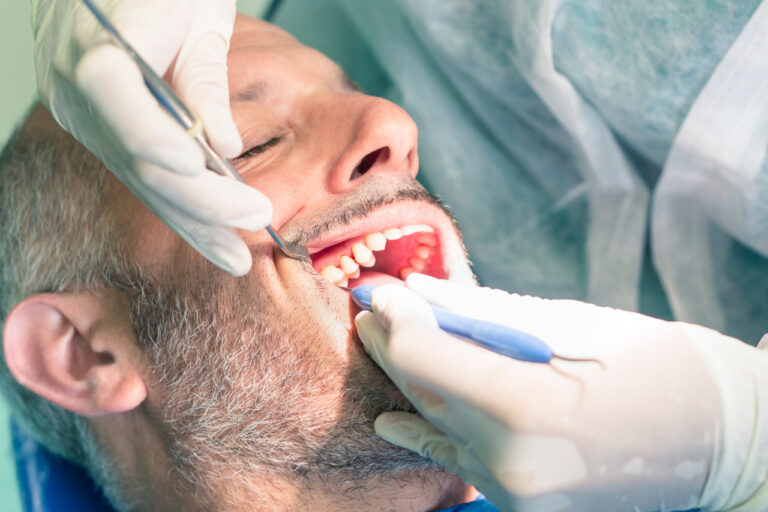

If your dentist or hygienist has recommended a deep cleaning, you may be wondering what your mouth will feel like afterward. Will your gums be sore? Can you eat normally? When can you brush and floss? Knowing what to expect can make the recovery period feel much more manageable and help you protect the progress made during treatment.
Scaling and root planing is available as part of preventive and periodontal care at Panhandle Dental in Amarillo. Unlike a routine cleaning, deep cleaning focuses on removing deposits and bacteria from areas below the gumline when periodontal inflammation has created deeper spaces around the teeth.
After treatment, the gums need time to settle. Mild tenderness, temporary sensitivity, and small changes in the way the gumline feels can occur. Fortunately, careful home care can support healing and make the first several days easier.
What Is Scaling and Root Planing?
Scaling and root planing, often called a deep cleaning, is a nonsurgical treatment used when plaque and tartar have accumulated below the gumline.
During scaling, the dental professional removes hardened deposits from the tooth surfaces, including areas that extend beneath the gums.
Root planing focuses on carefully cleaning and smoothing contaminated root surfaces so the surrounding gum tissue has a healthier environment in which to heal.
This treatment is different from a routine preventive cleaning. A regular cleaning is intended to maintain healthy or relatively stable gums. Scaling and root planing is performed when deeper periodontal pockets and inflammation require additional treatment.
How Will My Gums Feel After a Deep Cleaning?
Every patient responds differently, but mild soreness or tenderness is common after scaling and root planing.
The gum tissue may feel sensitive because areas that were inflamed and covered by deposits have been thoroughly cleaned. Teeth may also feel more sensitive to cold for a period of time, particularly if root surfaces are exposed.
You may notice that your teeth feel different or smoother. In addition, spaces between teeth can sometimes appear slightly more noticeable after swelling decreases and tartar is removed.
These changes do not necessarily mean something has gone wrong. They can reflect the removal of buildup and reduction of inflamed tissue.
What Should I Eat After Scaling and Root Planing?
If your mouth is still numb from local anesthetic, wait until normal sensation returns before chewing. This reduces the risk of accidentally biting your cheek, tongue, or lip.
During the first day, many patients prefer foods that require less chewing. Options can include:
- Scrambled eggs
- Yogurt
- Soft pasta
- Soup that is not excessively hot
- Mashed vegetables
- Soft rice
- Bananas
- Applesauce
If the gums are sensitive, very spicy, crunchy, hard, or extremely hot foods may feel uncomfortable temporarily.
As tenderness improves, you can usually return gradually to your normal diet.
Can I Brush My Teeth After a Deep Cleaning?
Yes, oral hygiene remains important after scaling and root planing.
However, the treated gum tissue may be tender, so brushing should be gentle. Use a soft-bristled toothbrush and avoid aggressive scrubbing.
Continue cleaning plaque from the gumline because allowing new buildup to remain can interfere with the goal of periodontal treatment.
Your dental team may give you specific instructions for certain areas based on the condition of your gums. Follow those recommendations closely.
Should I Floss After Scaling and Root Planing?
Cleaning between the teeth remains important, but tenderness can make flossing feel different for the first few days.
Use controlled movements rather than snapping floss forcefully against the gums. If your hygienist has recommended an interdental brush, water flosser, or another cleaning aid, use it according to the instructions provided.
The best home-care tool can vary depending on the size of the spaces between your teeth, existing dental work, and periodontal condition.
Why Are My Teeth Sensitive After a Deep Cleaning?
Temporary sensitivity can happen for several reasons.
Before treatment, tartar and swollen gum tissue may have covered part of the root surface. Once those deposits are removed and inflammation begins to decrease, the root may be more exposed to temperature changes.
In addition, root surfaces do not have the same thick enamel covering found on the visible crowns of teeth.
Therefore, cold water, air, sweets, or brushing may cause temporary sensitivity.
A toothpaste made for sensitive teeth may be helpful for some patients. Professional fluoride or other desensitizing treatment may also be considered if sensitivity persists.
However, significant or worsening pain should be reported because another dental problem may be present.
Is Bleeding Normal After a Deep Cleaning?
A small amount of bleeding from inflamed gums can occur after treatment, particularly during the first day or when brushing.
As the gum tissue heals and inflammation decreases, bleeding should generally become less noticeable.
Persistent heavy bleeding is not something to ignore. If bleeding seems excessive or does not slow, contact the dental office for guidance.
How Long Does It Take for Gums to Feel Better?
Initial tenderness often improves over the first several days, but periodontal healing and changes in inflammation continue beyond that immediate period.
Your gums may gradually become firmer and less swollen as plaque levels remain controlled.
Because every case is different, follow-up periodontal evaluation is important. Your dental team can measure gum pockets again, assess bleeding and inflammation, and determine how well the tissues have responded.
Benefits of Deep Cleaning in Amarillo
Scaling and root planing can provide meaningful advantages when gum disease has progressed beyond what a routine cleaning can adequately manage:
- Removes deposits below the gumline: Deep cleaning targets tartar and bacterial buildup in areas that ordinary brushing cannot reach.
- Creates a healthier environment for gums: Cleaning contaminated root surfaces supports periodontal healing.
- Can reduce gum inflammation: With effective treatment and home care, redness, swelling, and bleeding may decrease.
- Helps manage periodontal pockets: Reduced inflammation can make the gum tissue fit more closely around the teeth.
- Supports fresher breath: Removing bacterial deposits below the gumline may help when periodontal disease is contributing to persistent odor.
- Protects supporting structures: Managing gum disease is important for preserving the tissues and bone that support the teeth.
- Provides a foundation for ongoing periodontal maintenance: Deep cleaning is often followed by regular monitoring and maintenance visits designed around the patient’s periodontal needs.
The long-term value of scaling and root planing depends heavily on what happens after treatment. Consistent home care and appropriate maintenance visits are essential for controlling new bacterial buildup.
Why Might My Teeth Look Longer After Gum Treatment?
Some patients notice changes in the gumline after inflammation decreases.
Swollen gums can cover more of a tooth. As swelling resolves, the gum tissue may appear tighter, which can make more tooth structure visible.
If gum recession was already present because of periodontal disease, that recession may also become easier to see after inflammation improves.
Your dentist or hygienist can explain what changes are expected and whether exposed roots need additional protection.
Can I Exercise After a Deep Cleaning?
Most patients can return to normal daily activities relatively quickly. However, if your mouth is sore or you received additional medication or sedation, your dental team may give you different instructions.
Listen to your body and follow the recommendations from your appointment.
If significant bleeding begins again or discomfort increases noticeably with activity, reducing strenuous exercise temporarily may be appropriate while you contact the office for advice.
What Happens at the Follow-Up Visit?
A periodontal follow-up gives the dental team an opportunity to see how your gums responded to treatment.
They may evaluate:
- Gum pocket depths
- Bleeding
- Inflammation
- Plaque control
- Tooth mobility
- Sensitivity
- Areas that remain difficult to clean
Based on those findings, the dentist can recommend an ongoing maintenance schedule or discuss whether additional periodontal care is necessary.
Why Is Periodontal Maintenance Different From a Regular Cleaning?
Patients with a history of periodontal disease may need a different maintenance approach than someone with healthy gums.
Periodontal maintenance focuses not only on cleaning visible tooth surfaces but also on monitoring and maintaining areas below the gumline that have previously been affected by periodontal disease.
The recommended interval may also be shorter than the schedule used for routine preventive cleanings.
Your dental team will base that schedule on pocket depths, inflammation, plaque control, medical factors, and how your gums respond after treatment.
What Can I Do to Help My Gums Stay Healthier?
Daily plaque removal is one of the most important parts of periodontal care.
- Brush twice each day with a soft-bristled toothbrush.
- Clean between teeth every day.
- Follow instructions for interdental brushes or other tools.
- Avoid aggressive brushing that can irritate the gumline.
- Keep recommended periodontal maintenance appointments.
- Tell your dental team if you notice new bleeding, swelling, bad breath, or tooth movement.
- Avoid tobacco products because they can negatively affect gum health and healing.
Small daily habits are especially important because plaque begins accumulating again soon after professional treatment.
When Should I Call the Dentist After Deep Cleaning?
Mild tenderness and sensitivity can be expected, but contact your dental office if symptoms seem unusual or worsen instead of improving.
Reasons to call may include:
- Severe or increasing pain
- Significant swelling
- Persistent heavy bleeding
- Fever
- Drainage or a bad taste associated with swelling
- A tooth that suddenly feels much more mobile
- Symptoms that concern you or interfere with normal eating and drinking
Prompt communication allows the dental team to determine whether the symptoms are part of normal healing or require additional evaluation.
Frequently Asked Questions About Deep Cleaning Aftercare
How soon can I eat after a deep cleaning?
If local anesthetic was used, wait until numbness has resolved before chewing. Softer foods may be more comfortable during the first day.
Is sensitivity normal after scaling and root planing?
Temporary sensitivity can occur, especially around exposed root surfaces. Let your dentist know if sensitivity is severe, persists, or worsens.
Will my gums grow back after deep cleaning?
Scaling and root planing reduces bacterial buildup and supports healthier gum tissue, but it does not regenerate gum tissue that has already been permanently lost.
Do I still need cleanings after scaling and root planing?
Yes. Ongoing periodontal maintenance is often an important part of controlling gum disease after initial treatment.
Can gum disease come back?
Periodontal disease can become active again if plaque and tartar accumulate. Consistent home care and professional maintenance help manage the condition over time.
Support Healthier Gums After Your Deep Cleaning
Scaling and root planing is only one part of managing periodontal disease. The days and weeks afterward are important because effective brushing, interdental cleaning, and follow-up care help create an environment where gum inflammation can continue to improve.
If you have been told you may need a deep cleaning or have questions following periodontal treatment, Call Us Today at (806) 677-0202 or Contact Us. Book an Appointment with Panhandle Dental at 7200 SW 45th Ave #5, Amarillo, TX 79109, for personalized gum care and preventive dentistry.