
Published on Feb 9, 2026 | 6 minute read
Most people think of a dental cleaning as something you do “when you remember” or “when something feels off.” However, professional dental cleanings and exams are designed to prevent small issues from turning into big ones—often before you feel a single symptom. If you’ve ever been surprised by a cavity, gum inflammation, or a crack that seemed to appear overnight, you’ve already seen why preventive care matters.
This guide breaks down what actually happens during a cleaning and exam, how often most people should come in, what your dentist is looking for, and how to get the most value from every visit—without feeling overwhelmed or judged.
What A Professional Cleaning Really Does
Even with excellent brushing, plaque can settle into areas your toothbrush can’t fully reach. Over time, plaque can harden into tartar (calculus), which you can’t remove at home. A professional cleaning focuses on:
If your gums are sensitive or your teeth are prone to sensitivity, your hygienist can tailor the approach so you stay comfortable.
What Happens During A Dental Exam
A dental exam is more than a quick look around. It’s a systematic evaluation of the health of your teeth, gums, bite, and supporting structures. Depending on your needs, your exam may include:
The goal is to catch changes early, when solutions are simpler and outcomes are more predictable.
How Often Should You Get A Cleaning?
A common recommendation is every six months , but the “right” schedule depends on your risk factors. Your dentist may recommend more frequent visits if you have:
If your mouth stays stable and healthy, six-month visits may be perfect. If you’re rebuilding gum health or managing ongoing risk, more frequent cleanings can be a game-changer.
Do You Need X-Rays Every Time?
Not always. Dental X-rays are used strategically based on your history, symptoms, and risk factors. They help identify issues you can’t see with the naked eye, such as:
Your dental team will recommend X-rays when they add clarity—not as a one-size-fits-all routine.
The Difference Between A Regular Cleaning And A Deep Cleaning
A standard preventive cleaning focuses on tooth surfaces and the shallow area around the gums. A deep cleaning (scaling and root planing) is recommended when gum pockets and inflammation suggest bacteria has moved deeper under the gumline.
If your hygienist mentions pocket numbers or bleeding points, it doesn’t mean you’ve “failed.” It simply means your gums need a little extra support to return to a healthier baseline.
How To Make Your Visits More Comfortable
If dental visits make you nervous (even a little), you’re not alone. Comfort improvements can include:
Even small changes can transform your experience—and help you stay consistent with preventive care.
What Your Hygienist Wishes You Knew About Home Care
You don’t need a complicated routine. The “big wins” are simple:
Consistency matters more than perfection. If you struggle with flossing, ask for alternatives that match your preferences.
Why Preventive Visits Help Restorative Work Last Longer
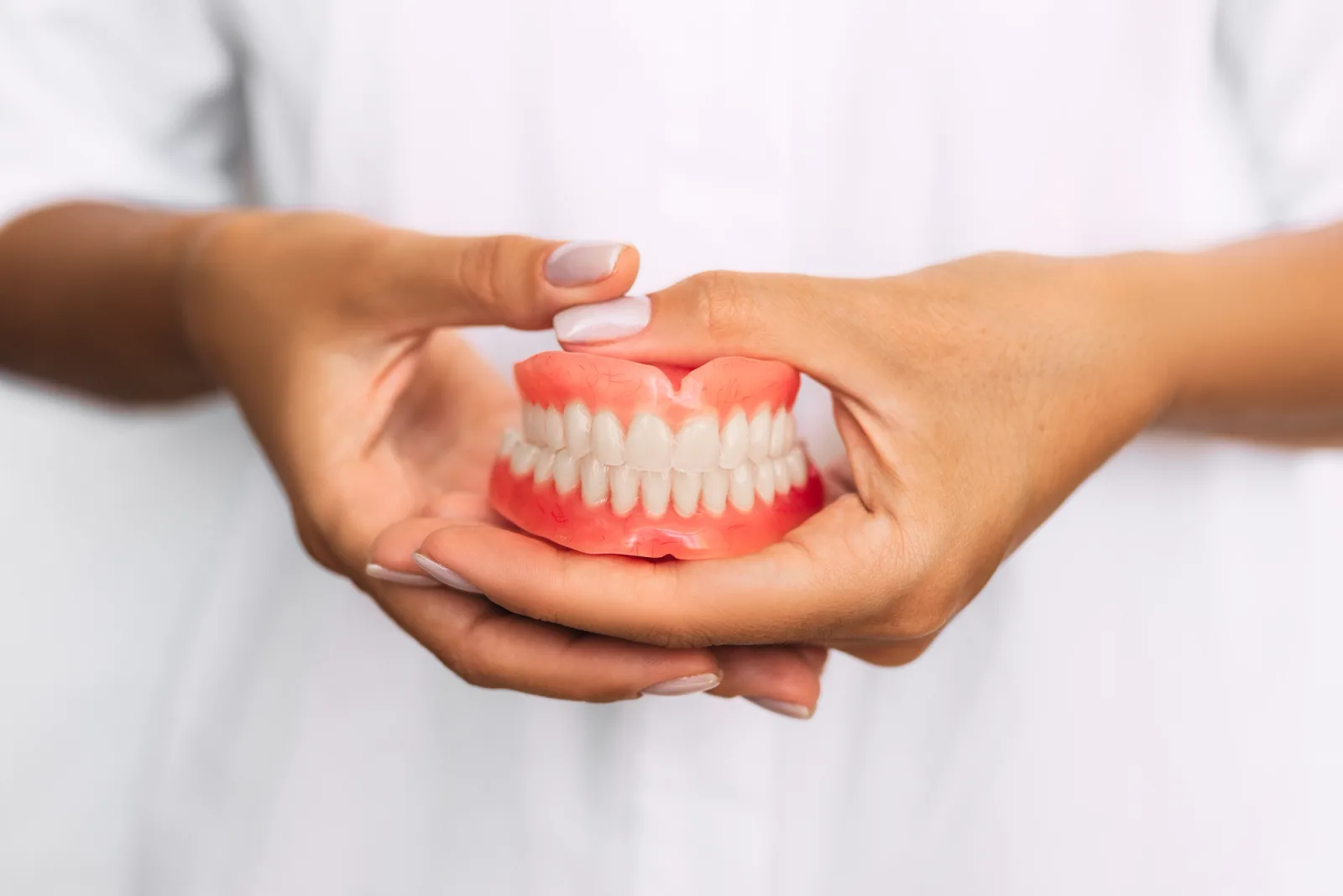
If you have fillings, crowns, or dentures, preventive care becomes even more valuable. Cleanings help:
Think of preventive visits as the maintenance that protects everything you’ve already invested in—time, comfort, and confidence.
Benefits At A Glance
Ready To Get Back On Track?
Whether you’re right on schedule or it’s been a while, we’ll meet you where you are. Call Panhandle Dental in Amarillo at (806) 541-4152 to Book an Appointment for a cleaning and exam.
Start Your Smile Journey Today
Are you ready to brighten your smile? Schedule your visit at Panhandle Dental today! Experience a comprehensive exam, get your personalized treatment consultation, and explore various payment options.